How to cycle to Brazil without really knowing how to cycle, speak Spanish or fix a bicycle
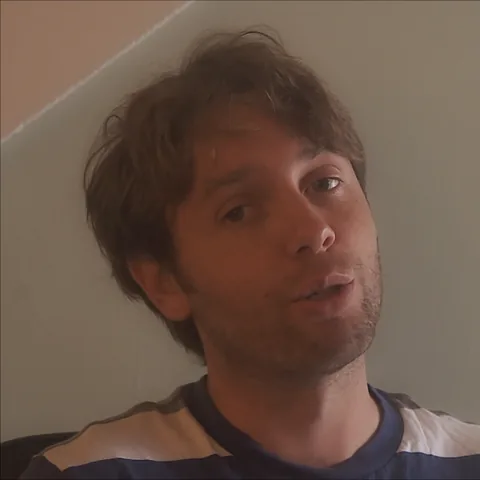
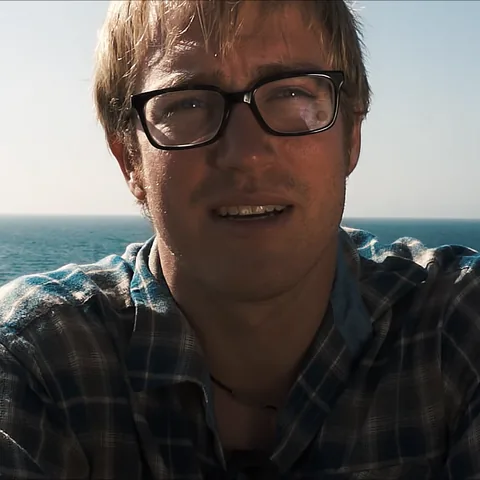
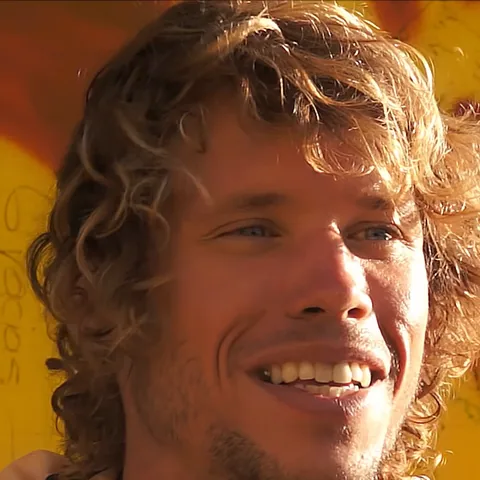
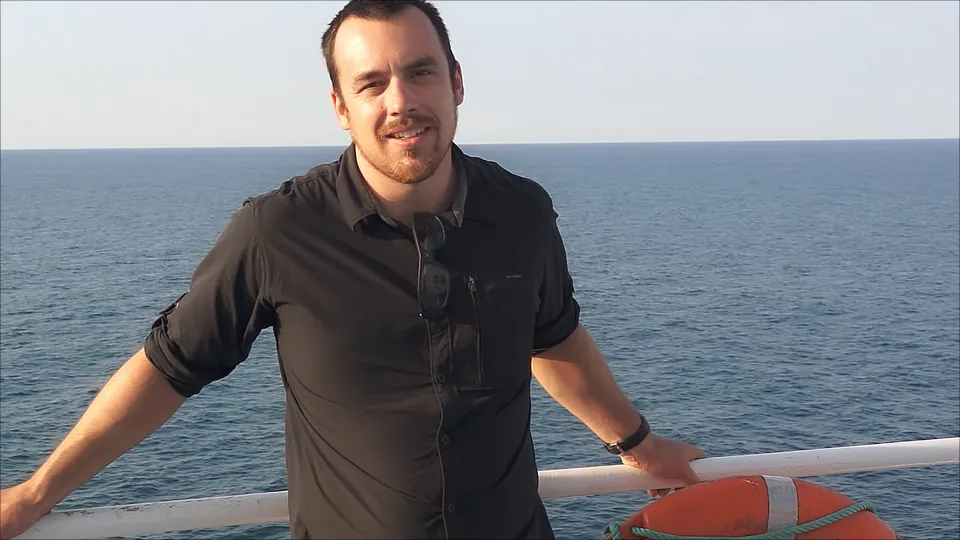
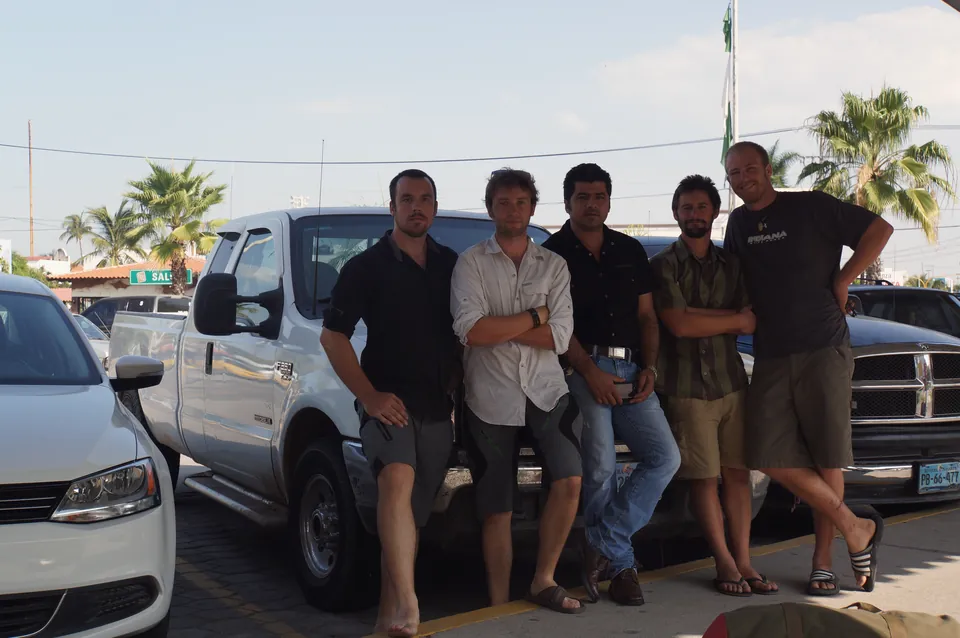
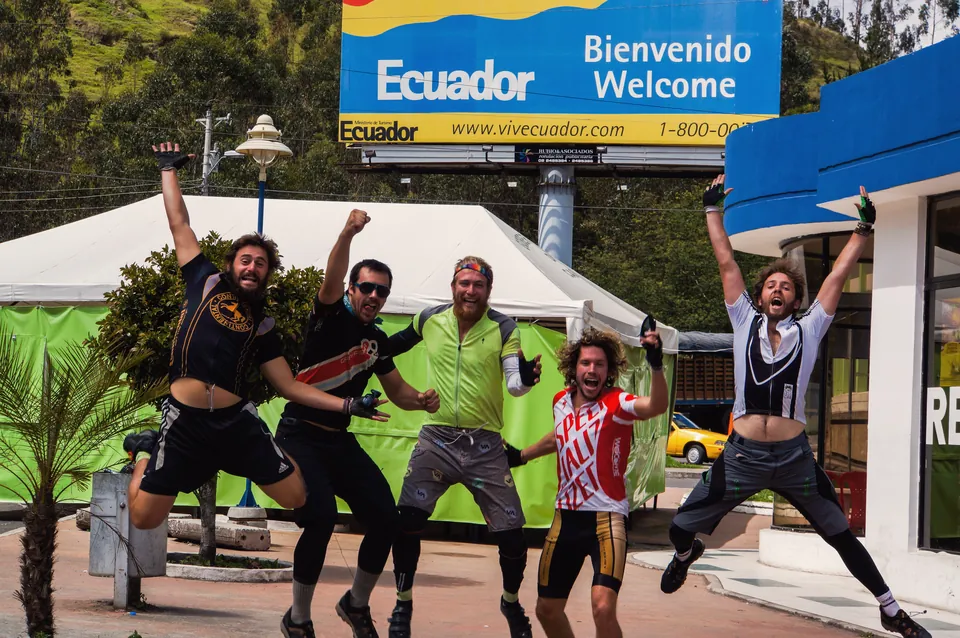
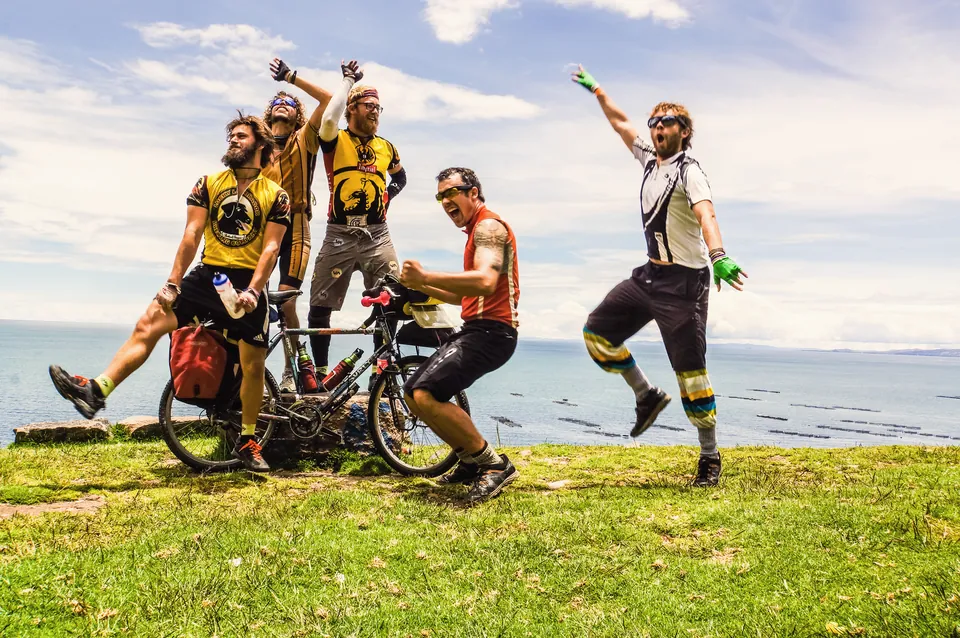
In the autumn of 2012, four friends who were not especially good at riding bicycles got on some and rode them from Los Angeles to Rio de Janeiro. It took five and a half months. It should probably have taken less, but there were a lot of parties, three broken chains, and a week stuck in Cabo in which nothing of any importance happened.
(this is all true)
10,000miles, give or take a wrong turn
13countries, including the one we started in
167days, door to beach
1patch kit. It lasted the whole way.
0passport stamps at Tijuana (this was a mistake)
3,000hours of footage. Sorry.
What
A bicycle trip, technically. In practice, a five-month argument about where to sleep, interrupted by some of the most beautiful scenery on Earth and a great many strangers being unreasonably kind to four sweaty men in lycra.
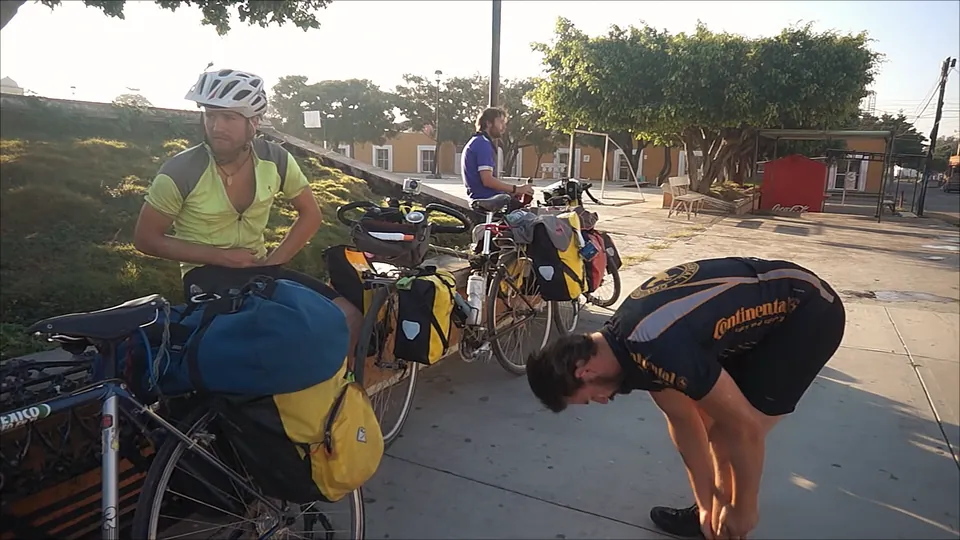
It was also a film, eventually, because we pointed cameras at everything, including several things that should never have been filmed. We all rode with Pivothead cameras on our heads, and carried two early Sony NEX cameras between us. One of those was stolen in Colombia, and the official position of this website is that it was Andy’s fault. The pitch, written before we left, said our only concern was will this make a good story? and that it always does, even if it’s at the expense of our comfort, dignity, or sanity. This turned out to be extremely accurate.
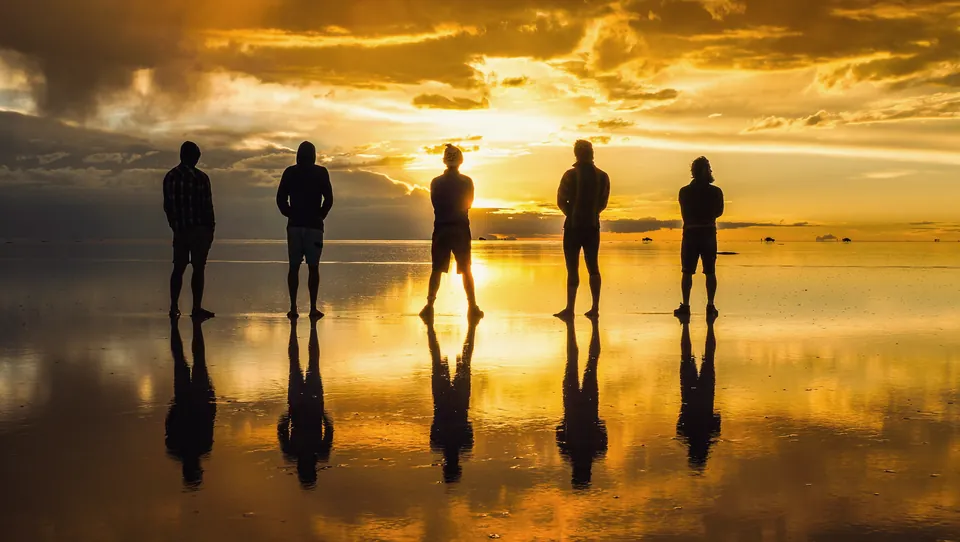
Salar de Uyuni, Bolivia. Day 151.
Where
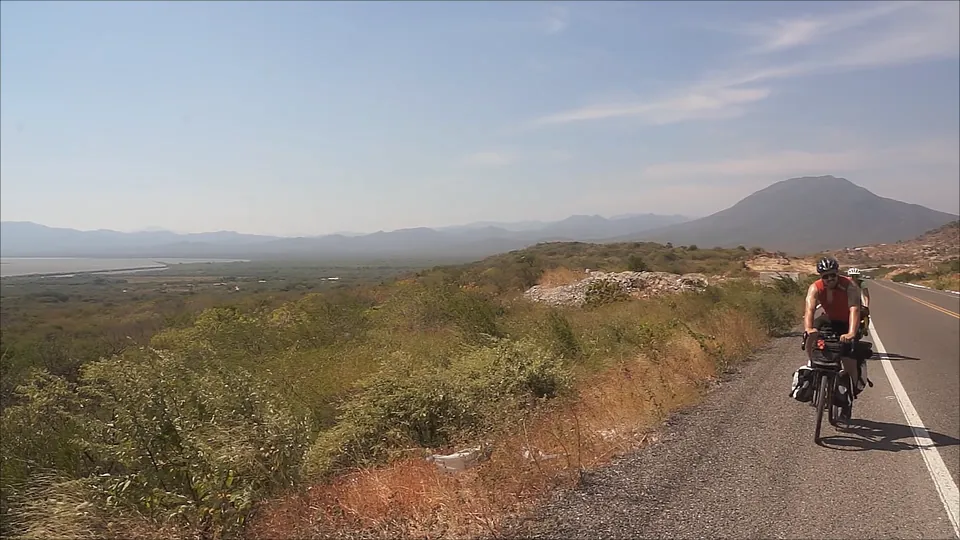
Down the whole of Baja. Across the whole of mainland Mexico, which takes forty-five days because Mexico, it turns out, is f•••••g grande. Then Guatemala, El Salvador, Honduras, Nicaragua, Costa Rica and Panama, in a happy blur of volcanoes, hostels and small cash “contributions” to border officials.
There’s no road from Panama to Colombia, so we put the bikes in cardboard boxes and flew over the jungle like everyone else. Then Colombia, Ecuador, the Peruvian Andes, Lake Titicaca and Bolivia, and finally the long, hot, mosquito-ridden slog across Brazil to a beach in Rio.
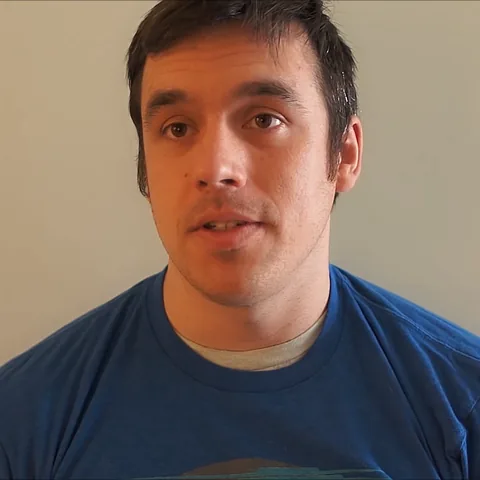
Met us in a hostel in Panama on Christmas Eve. A week later he came and found us in Cartagena and bought a bike on the spot.
Known for
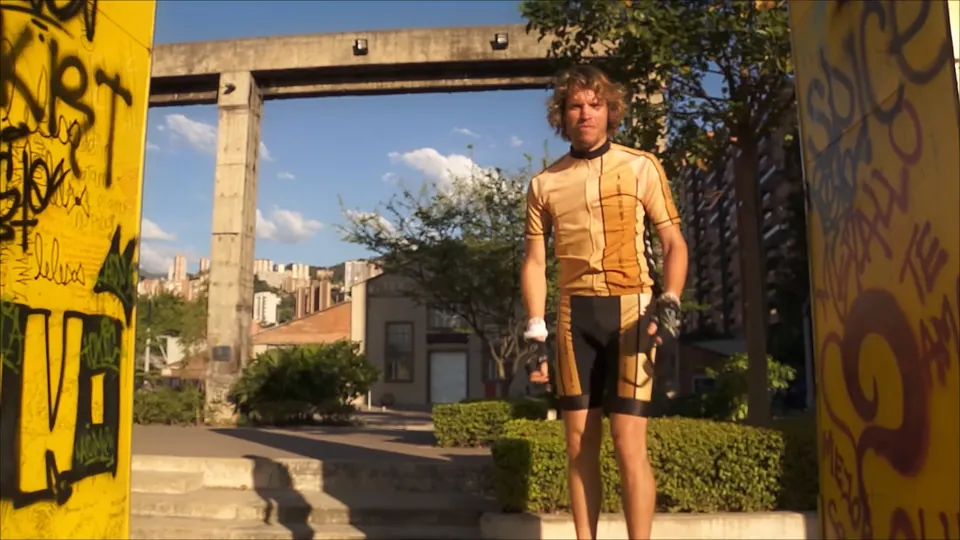
A golden cycling suit. A bicycle called Matilda. “Fist bumpin’ all the way.”
Found in a hostel · Panama · Dec 2012
Why
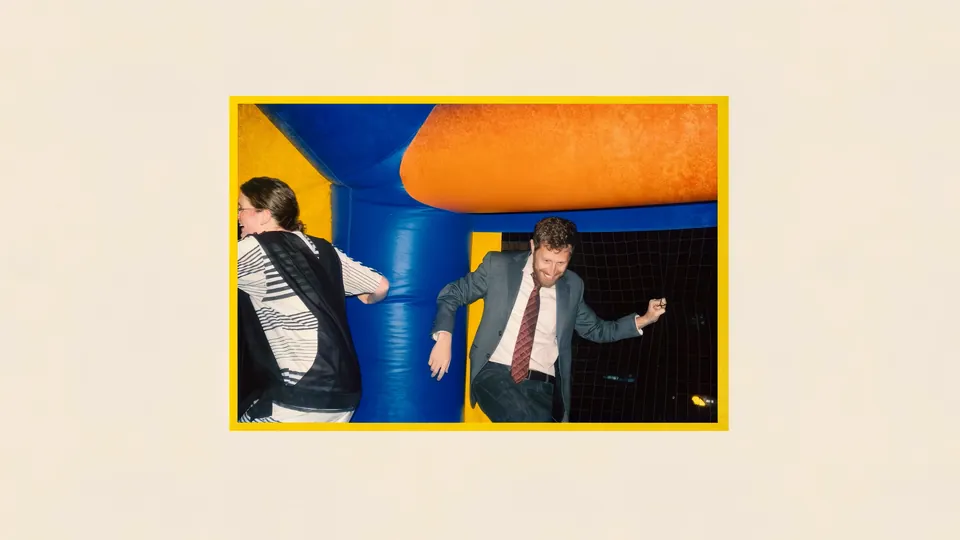
Andy and Dom decided at a party, sitting in a bouncy house, which in hindsight explains a lot. They’d already cycled across the United States together and had told everyone about it, at length, at every party since. People were getting sick of that story. “We need some new stories,” they said, in the way other people say “we should get a dog.”
Andy had wanted to go to Brazil ever since a school report on the Amazon. Why on a bicycle? Because it’s cheap, it’s slow, and on a bicycle everybody talks to you. In a car, nobody looks at you twice.
I don’t think any of us are really ready… Because if I waited until I was ready, let’s be honest, this would never happen. I would never do anything.
How
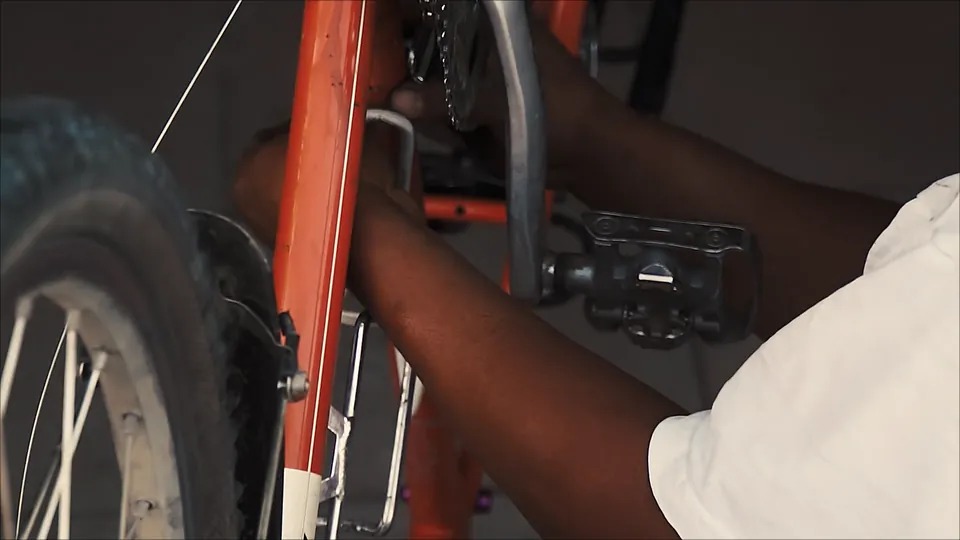
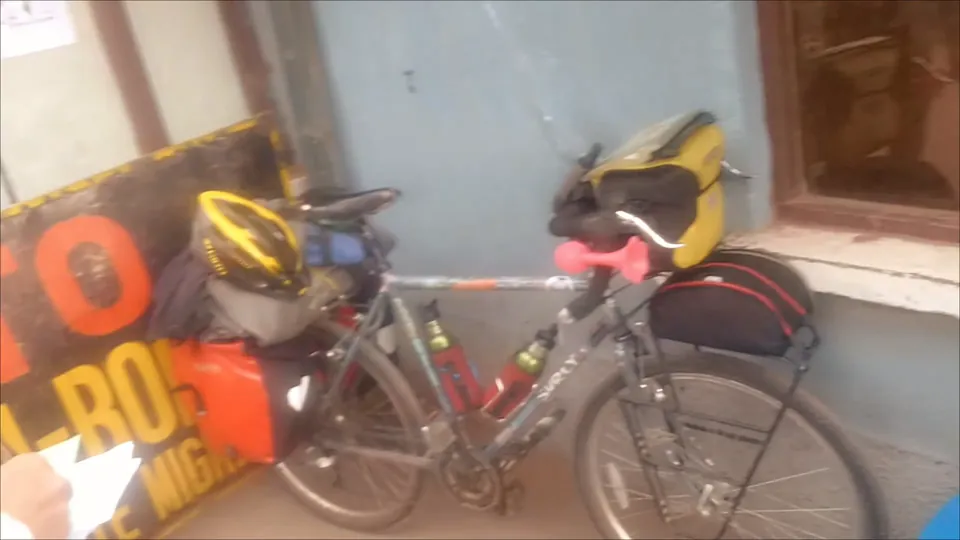
Badly, at first. Josh’s bike broke down four times in the first week, and we fixed it with the one repair manual that one of us had thought to bring. Then, slowly, less badly.
Most nights we’d knock on a door and ask if we could camp. People said yes. More often they said don’t be ridiculous, come inside, have dinner, meet my mother. We slept in a church courtyard, a police compound beside the cells, the hammocks of a family with a homemade 7-Eleven, a lot of hostels, and once, at a place called Hotel Happy Times, where you can’t really go that wrong.
5:30 Up, before the heat. Mostly.
6:00 Four to six hours of riding
12:00 Lunch: the cheapest set menu in town
13:00 Siesta. Non-negotiable.
15:00 Back on the bike to wherever we said we’d get to
18:00 Revise wherever we said we’d get to
19:00 Knock on a door
21:00 Asleep, usually somewhere surprising
And now
Ten years later there have been several weddings, six kids, and a host of other adventures. The trip was supposed to be about getting to Brazil. It turned out to be about the five of us.
I found what I was looking for. My brothers.
The journey
Ten thousand miles in one long scroll
Keep scrolling and the map rides with you, from a bouncy house in Los Angeles to a beach in Rio. Tap any pin for the story behind it.
Two grown men, one inflatable castle, one very bad idea.
Andy and Dom had already cycled across America, and had told everyone about it, at length, at every party since. At their friend Sarah’s party, sitting in a bouncy house, they agreed that people were getting sick of that story. They needed a new one. Andy had wanted to go to Brazil since a school report on the Amazon. Nobody remembers who said “on bikes?” first. Four months before we left, we cut a teaser promising a great deal.
Before leaving we weighed ourselves with our bikes, to see who’d lose the most by the end. One bike alone came to a hundred pounds. Nobody ever announced a winner.
People are getting sick of that. We need some new stories.
Day 1 · Ten miles out of Los Angeles
0.1% complete
We celebrated finishing a thousandth of the trip with a chicken.
Ten miles out of Los Angeles, with roughly nine thousand nine hundred and ninety to go, we stopped to mark the occasion properly. One tenth of one per cent of the journey: done. That called for a rotisserie chicken, eaten by the side of the road. We rode over a hundred miles that first day, a distance we would not match again for the entire trip. We left like kings.
Point one percent of our journey complete. So we’re having a celebratory chicken.
Days 1–4 · San Diego, California
Half the budget, three days in
Having ridden heroically, we did the sensible thing and stopped.
Having ridden a hundred miles on day one, we did what any serious expedition would do: stopped for three days in San Diego and spent half our money. There was partying. There were long, earnest video diaries about what it all meant. It is fair to say that, at this point, nobody was taking this terribly seriously.
Obviously we celebrated by spending three days and half our budget in San Diego.
Day 5 · Tijuana, Mexico
A competence we did not possess
Nobody stamped our passports. This would become a problem.
Crossing into Mexico was ridiculously easy. You walk down a path, possibly past a man with a gun, and you’re in. Nobody looked at our passports and it didn’t occur to us to ask. It turns out you’re meant to get stamped in. We found this out forty-five days later, at the far end of Mexico, from a Guatemalan border guard who explained, very patiently, that this was going to cost extra.
I think at some point I saw a guy with a gun and then I was here in Mexico.
Day 7 · Near San Vicente, Baja California
We gleaned that
Dinner: tuna, animal crackers, tequila, and beer of uncertain ownership.
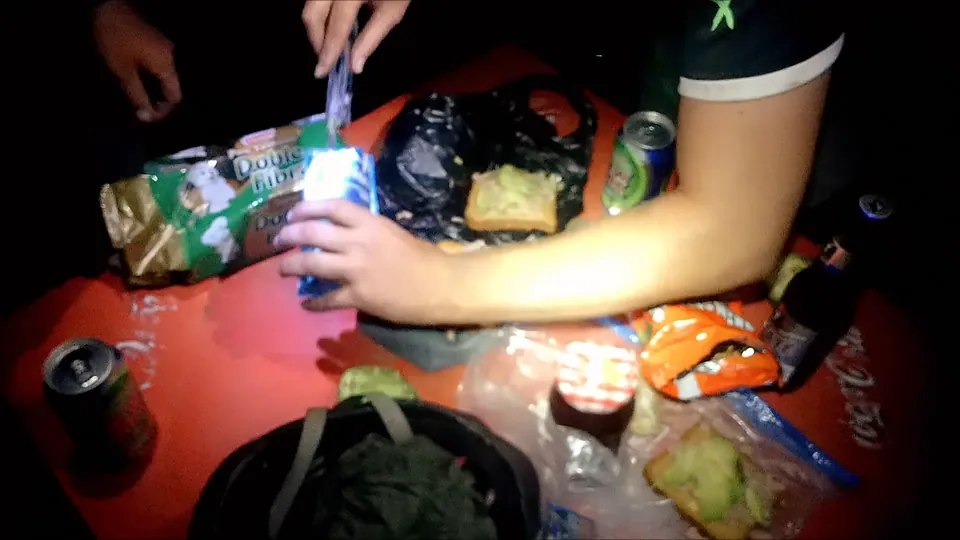
Week one. Josh’s bike (an REI Novara Safari with funky handlebars, bought on eBay and delivered in a box) broke down four times on a narrow road with no shoulder and a lot of trucks. We fixed his derailleur from the repair manual, which only one of us had thought to bring; screaming and kicking, it was established, was not the answer. Dinner was by Chef Dom: tuna, toast, an avocado, an orange, animal crackers, grapefruit soda with tequila, and a couple of beers from the empty hotel room next door. We prefer the word “gleaned.”
Scavenged. Scavenged. It’s gleaned, we gleaned that.
Day 10 · The Baja desert
Three falls and a sidewinder
Once on sand, once for no reason, once because a pretty girl shook his hand.
Baja is long, hot, empty and uphill in both directions. One of us fell off three times in a single day: once on loose sand (we’d taken the scenic beach route, which is not a route), once legitimately, and once because a pretty girl shook his hand. Another locked up both wheels coming downhill far too fast with far too heavy a bike, and did a little skid he’d like you to know was deliberate.
That’s a sidewinder, buddy. That is a sidewinder.
Day 13 · The middle of Baja
Miguel’s wheel, and the beer truck
His bike took 27-inch wheels. Mexico does not sell 27-inch wheels.
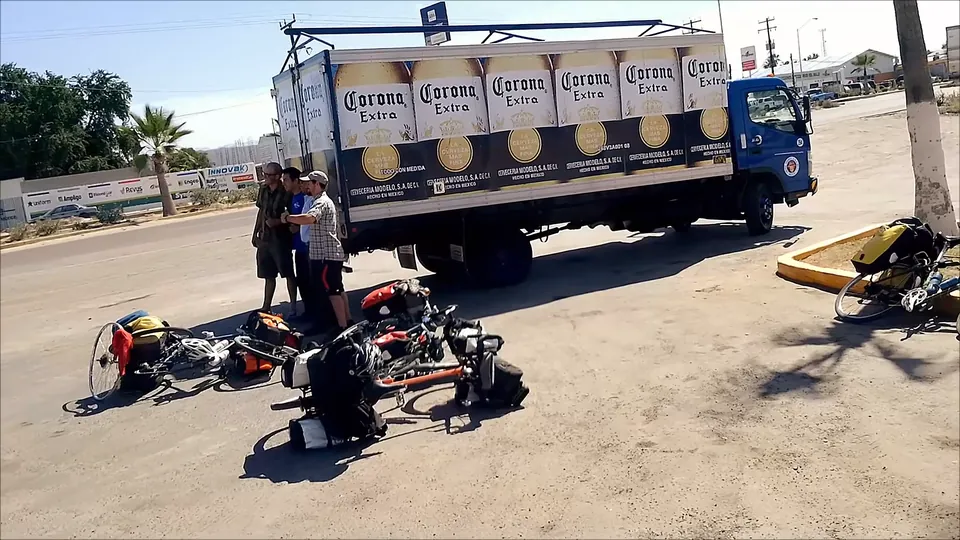
Miguel came off his bike and broke his back wheel. His bike, it turned out, took 27-inch wheels, which are not available anywhere in the country of Mexico; we rang around. There are also very few bike shops in the middle of Baja, which left us, in the technical language of the expedition, stuck. So we did the obvious thing: flagged down a Corona beer truck, threw the bikes in the back, and rode it to Cabo to wait for a new wheel.
We’re getting in the back of a Corona truck.
Days 16–22 · Cabo San Lucas
Nothing of any importance happened in Cabo
Stuck for a week waiting for a wheel. Cabo did its best to finish us off.
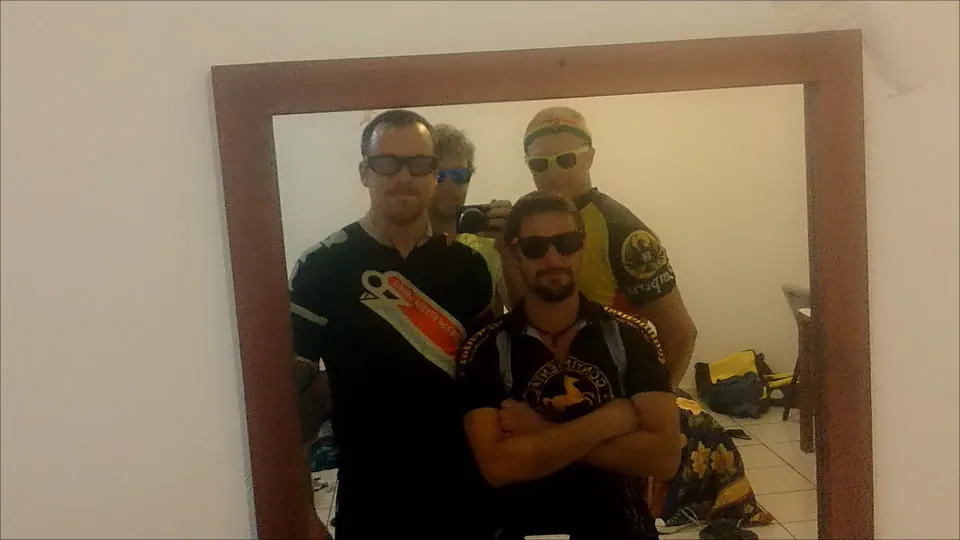
We were stuck in Cabo for a week waiting for Miguel’s wheel, which is about six days longer than anyone should spend in Cabo. On the fourth night, for reasons nobody can now reconstruct, we went out in our cycling jerseys and lycra shorts. It seemed like a good idea. You start to ask yourself questions, in Cabo: why am I doing this? Am I just a drunken tourist too cheap to rent a car? Where am I? And the answer is Mexico. You are still in Mexico.
Honestly, Cabo is more tiring than biking the length of Baja.
Day 23 · La Paz to Mazatlán, by ferry
Done with Baja
An overnight ferry to the mainland. We were, frankly, ready.
With Miguel’s wheel finally fitted, we got ourselves back to La Paz and onto the ferry across the Sea of Cortez to Mazatlán. Baja had given us breakdowns, sand, snakes, a beer truck and Cabo. We were fond of it in the way you are fond of a hangover once it’s over.
Here we are on the ferry to Mazatlán, Mexico, which is mainland, so we’re done with Baja. And frankly, ready to be out of Baja.
Day 27 · The coast of Sinaloa and Nayarit
Come in, have dinner with us
We asked a man on a tractor where to camp. He had a better idea.
Mainland Mexico: hot, flat, endless. With an hour of daylight left and nowhere to stay, we stopped a man on a tractor to ask about camping. He told us to wait in the shade while he finished his field, then took us home. The next morning he showed us how to bring in the shrimp, which involved a net, a pond and a lot of patient instructions in Spanish. It kept happening, in every country: we’d ask to camp on someone’s land and they’d say, don’t be silly, come in.
Oh you don’t have to camp. Come in, have dinner with us.
Day 29 · Puerto Vallarta, Jalisco
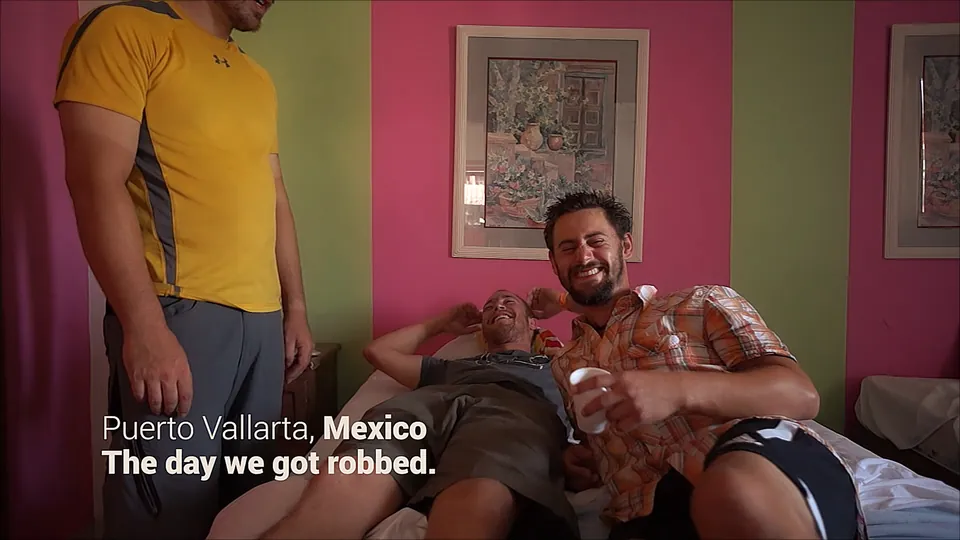
The day we got robbed
A night out, a blackout, some shady police and one missing battery.
In Puerto Vallarta we went out, once again, dressed for cycling. In summary: one of us blacked out almost immediately; one of us met a girl on the beach and had to talk his way out of some very enthusiastic local police, at a cost of a few hundred pesos; one of us got a phone number. In the morning a phone was gone and, for reasons that still confuse us, a single battery. Things improved when we fell in with an expert fisherman who was also, by his own account and ours, the best chef in town.
Maybe we also got robbed. Just another night on the road in Mexico.
Day 34 · Highway 200, Guerrero
Dog antibiotics
When your travelling companion is a vet, you get vet medicine. Also: the Ice Cream Incident.
Somewhere along the long Pacific highway Andy got sick, got better, and then got the kind of sick you describe to your doctor in a low voice. Luckily his doctor was Miguel, who is a vet. He prescribed what he had, which was antibiotics for dogs. Plan: keep biking. Around the same time one of us heard from home, on Halloween, that his dog Toby had died. It was a hard couple of weeks.
Somewhere in Mexico, too, came the Ice Cream Incident. Josh helped himself to an ice cream from a street vendor, Dom and Andy saw him do it, and the argument that followed very nearly ended the entire trip. Ten thousand miles, almost called off over one ice cream. One line of the peace talks survives in Brothers: Because you two saw him taking the ice cream, and he said, Josh doesn’t f•••••g do that.
I’m on some dog antibiotics.
Day 40 · Salina Cruz, Oaxaca
The derailleur that knew the way
It snapped at the top of a hill. Andy coasted straight to a bike shop.
At the top of a long climb the front derailleur on Andy’s bike snapped clean off. There was nothing to do but coast: down the hill, straight across the valley, through a tunnel and out the other side, where he rolled to a stop more or less directly outside a bike shop in Salina Cruz. They sold him a new derailleur from a brand none of us had ever heard of. We all agreed this was the luckiest thing that had ever happened to anyone. Salina Cruz itself is a strange little port town with, as far as we could tell, more gay bars than any other kind of building. We never got to the bottom of this.
Hopefully they make decent derailleurs.
Day 42 · Niltepec, Oaxaca
A night at the police station
No hotel, no campsite. So we asked the police.
The Isthmus of Tehuantepec is flat, windy and, on occasion, on fire: farmers burn the fields, and the smoke and flames blow right across the road while you ride through them. In Niltepec we couldn’t find anywhere to sleep, so we asked the police, who let us lay our sleeping pads on the bare concrete of their compound, next to the outdoor cells. Some of the officers looked about fifteen. We thanked them in the morning and left before anyone changed their mind.
It was not the most comfortable place to sleep, sleeping pads on bare cement next to outdoor jail cells, but it was a shower and a roof over our heads.
Day 43 · Arriaga, Chiapas
One patch kit
Bought for a few pesos. Lasted all the way to Rio.
Arriaga had a hotel, the internet and a town square, where we ate tortas, chips, milkshakes and cake in one sitting and tried to play cards in a wind so strong it kept blowing them off the table. Josh and Miguel had new bearings fitted at a local bike workshop, and we bought a puncture repair kit for a few pesos. It lasted the entire trip, which is more than can be said for most of our equipment, our budget or our dignity.
We tried to play cards but the wind kept blowing the playing cards off the table and we had to chase them down.
Days 44–46 · Tres Picos, Chiapas
The fake 7-Eleven
Stranded at dusk, we found a shop, a church and the nicest family in Mexico.
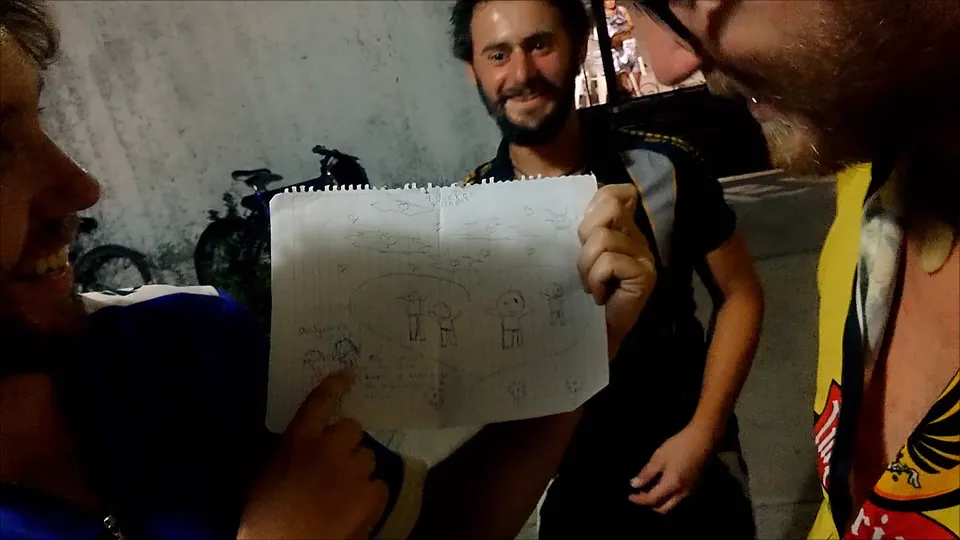
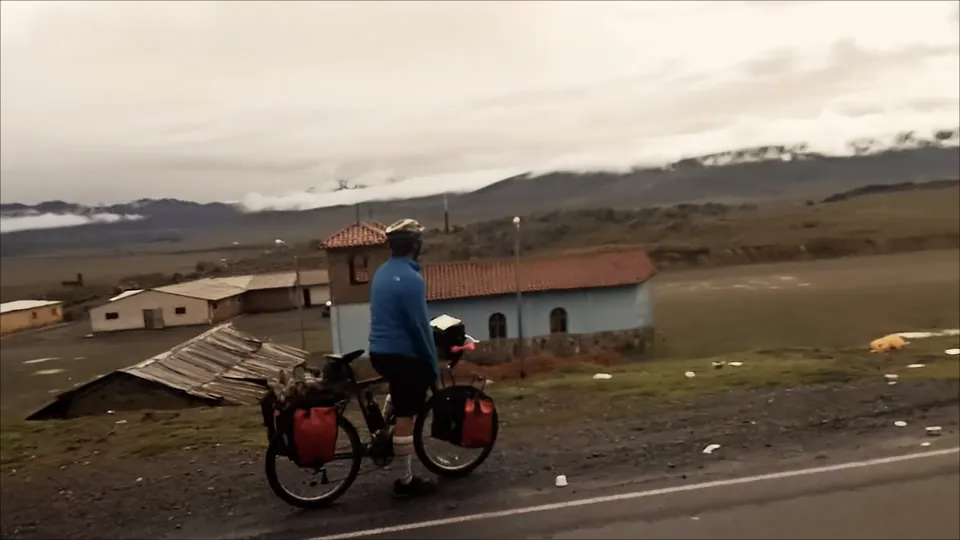
It had been a bad day: Dom had just heard from home that his cat had died, and night was coming. The town on our map turned out to be a few streets, a church and a tiny shop with a lovingly painted, completely fake 7-Eleven sign. While we sat outside holding our usual productive brainstorm, the owner’s family brought us a jug of Tang with one giant ice cube in it. The preacher let us camp in the churchyard. Seven-year-old Marisa drew us a picture of the four of us on our way to Brazil. Her father, Laureano, took us home, washed our clothes and made us his special guacamole, and the next night cooked us an armadillo he’d caught in the mountains. Leaving took hours. The girls cried. So, a bit, did we.
Andy played the ukulele, Dom snapped some pictures and Josh and I played hacky sack – you know – productive brainstorming activities.
Day 47 · The Guatemalan border
“That’s gonna be extra money”
Remember the stamp nobody gave us in Tijuana?
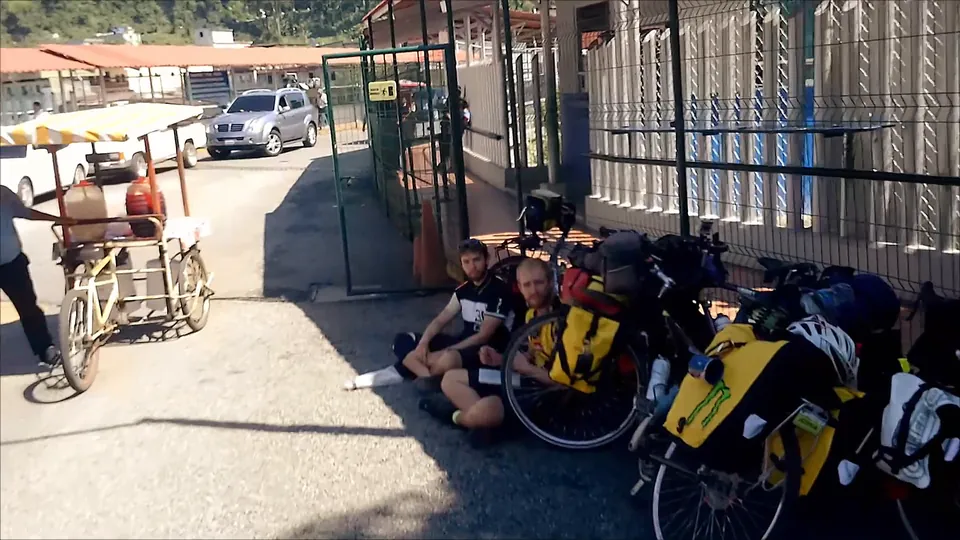
Forty-five days to cross Mexico. At the exit, the Mexican official asked for our immigration forms. We didn’t have any: nobody had stopped us in Tijuana. So he couldn’t stamp us out. On the Guatemalan side, a man asked where our Mexican stamps were. We explained. He said that was going to be extra money. They let us in just fine after a significant contribution to Guatemalan border control, a procedure that would become pretty typical of most of our border crossings.
Well where’s your stamp for Mexico? And we’re like, they didn’t give us one. He’s like, well, that’s gonna be extra money.
Day 48 · Into the Guatemalan highlands
What did we do to anger this volcano?
Our first real mountains. Three broken chains.
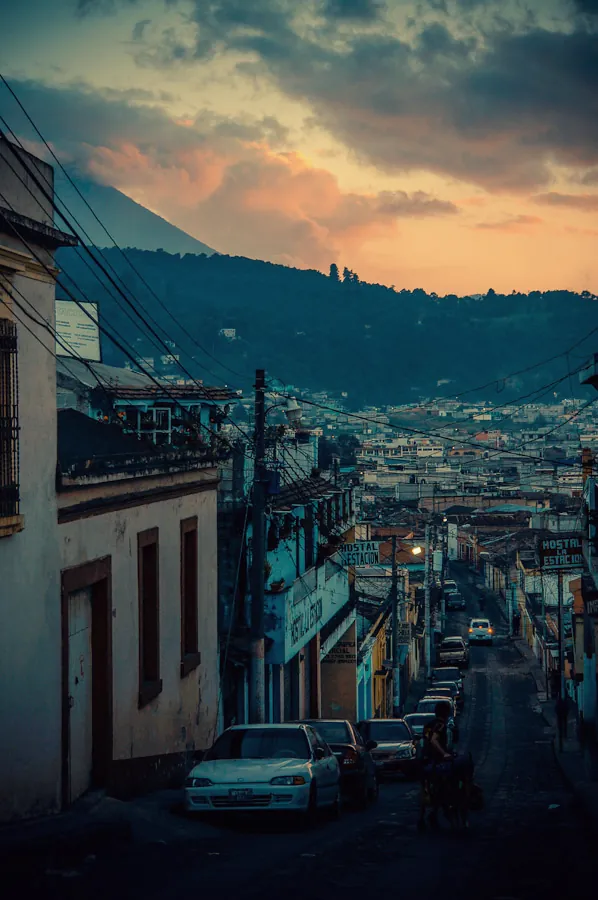
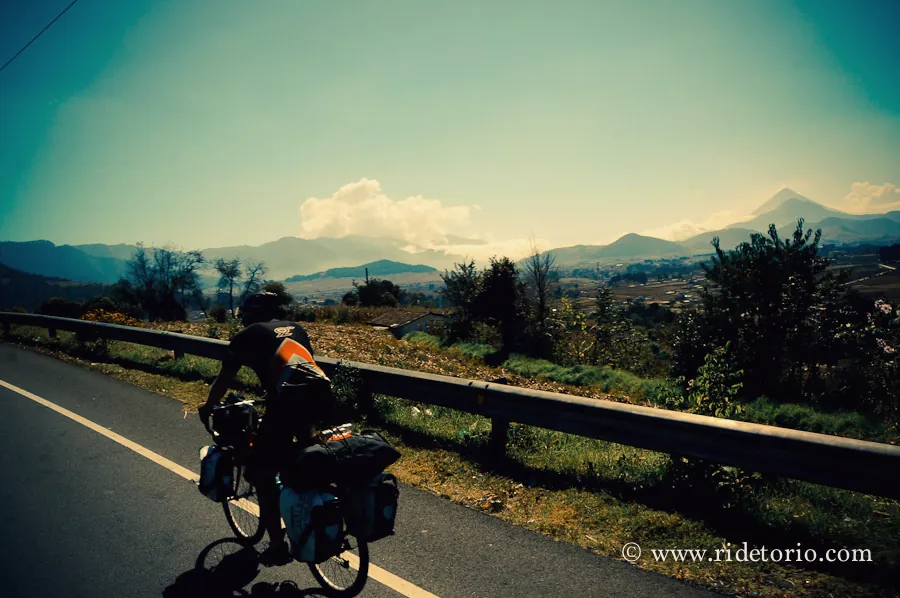
We discovered, more or less immediately, that we were not ready for the mountains of Guatemala. The climbs were longer and steeper than anything in Mexico, the volcanoes smoked at us, and the bikes started to fall apart. We broke three chains, one of which took a cheap part with it and ripped it, technically speaking, to hell. That night we stayed at a place called Hotel Happy Times, on the basis that you can’t really go that wrong.
We’re 2,000 feet up this 8,000 foot mountain. What do we do to anger this volcano?
Days 49–50 · Quetzaltenango (Xela)
A coffee before class
A night out in costumes. Miguel walks a girl to school. Andy comes too.
In Xela, a cold and lovely city in the highlands, we partied all night with the volunteer guides of the Quetzaltrekkers and somehow ended up in a casino wearing costumes. The next morning Miguel, freezing and underslept, put on his nicest cycling jersey and walked Prinda, a New Yorker studying Spanish, to her class. They shared coffee from a grandmother selling tortillas in the square and sat in a sliver of sun. He was too nervous to kiss her, so he gave her a huge hug instead.
What the diary leaves out is that Andy tagged along for the entire walk, happily oblivious. This is now a famous story among us. Andy ended up writing Miguel a letter of apology, an actual letter, which tells you how high feelings run when four men spend every waking minute together.
As I walked her to her class I felt like a young kid stealing some time with a cute girl before school.
Day 51 · Leaving Xela
What an amazing day!
9,900 feet, disputed wet cement, a wrong turn, and two hours in the dark.
Our highest point so far: 9,900 feet. According to Miguel’s diary, Dom stepped in freshly poured cement despite the giant signs, and the workers were very nice about it. Dom says he did no such thing. We missed a turn and rode ten kilometres downhill the wrong way, then back up. Miguel found a mossy cliff where the clouds were tucking the mountains into bed and wanted to camp; the rest of us wanted to “finish the day.” We finished it pushing the bikes down a gravel track in the pitch dark for two hours, until a tuk-tuk driver led us to his friend’s hotel (south of the Rio Grande, everyone has a friend with a hotel). Miguel shouted at all of us. Then he drained an infected cyst on Josh’s arm. Then we went to bed.
I drained an infected cyst that Josh had developed on his forearm and we all went to bed. What an amazing day!
Day 53 · Guatemala City
Thanksgiving, and national television
Miguel’s family fed us from breakfast until dinner. Then we were on the news.
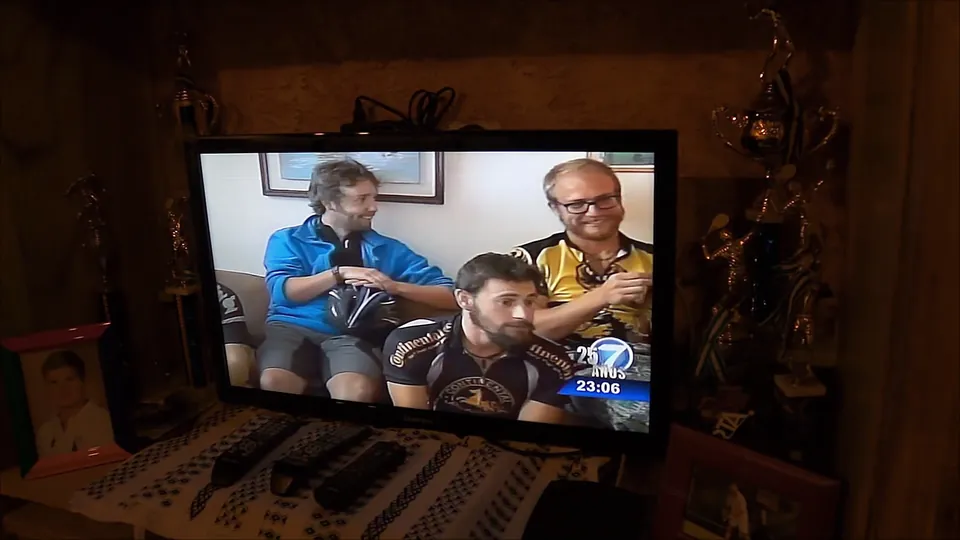
Miguel was born in Guatemala, and for the first time the trip passed through somebody’s home. His family threw us an enormous Thanksgiving: breakfast rolled into lunch rolled into dinner, with cousins, aunts and uncles, after a hard couple of weeks. It turned everything around. Miguel also got us onto the national news, where the rest of us stood in the background trying to look as though we knew what was going on. For weeks, people stopped us by the road to say they’d seen us on TV; one couple gave us money for lunch. According to the news, Miguel was our fearless leader.
None of us had any idea what was going on, except for Miguel. So we were just kinda trying to look good in the background.
Around day 57 · Tikal, Petén (a side trip, no bikes)
A Mayan history lesson
Yavin 4, the end of the world, and the price of a quetzal.
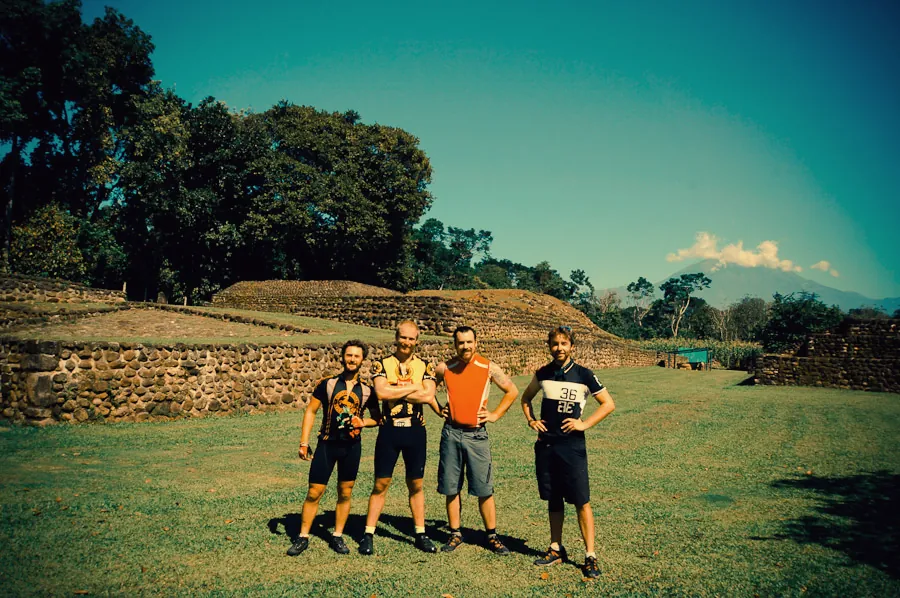
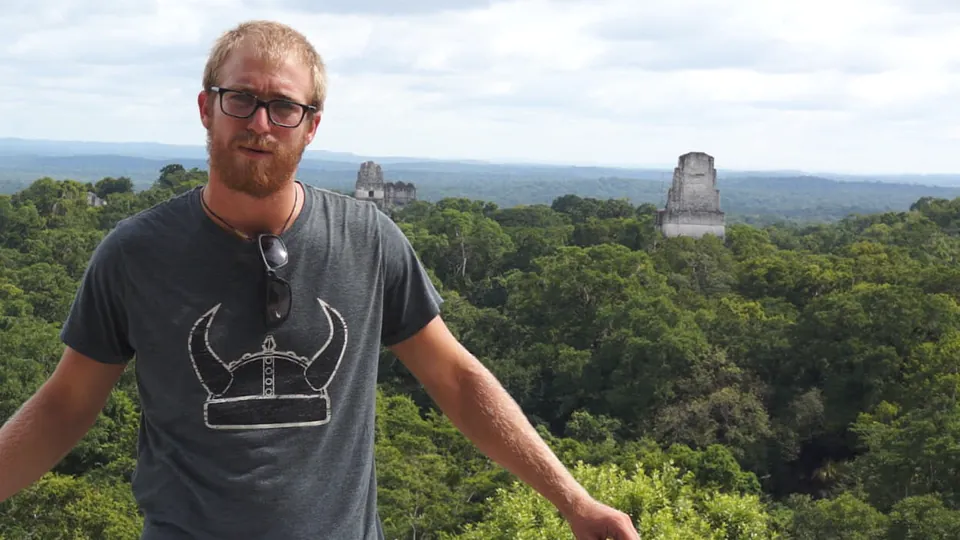
While we were in Guatemala we left the bikes behind and went north to Tikal, the ruined Maya city in the rainforest of Petén. From the top of a temple we recorded a lesson for everyone following along at home. It covered the national bird (the quetzal, very hard to find), the currency (also the quetzal, about seven and a half to the dollar), the temples you may recognise as the rebel base on Yavin 4 in Star Wars, and the Maya calendar, which was due to run out the following month. We were not sure what the temple had been for. Probably some kind of sacrifice.
Maybe they just got tired of writing dates that were thousands of years in the future, who knows?
Day 63 · The El Salvador border
They heard we were coming
We crossed into El Salvador and a parade started. Coincidence? Probably.
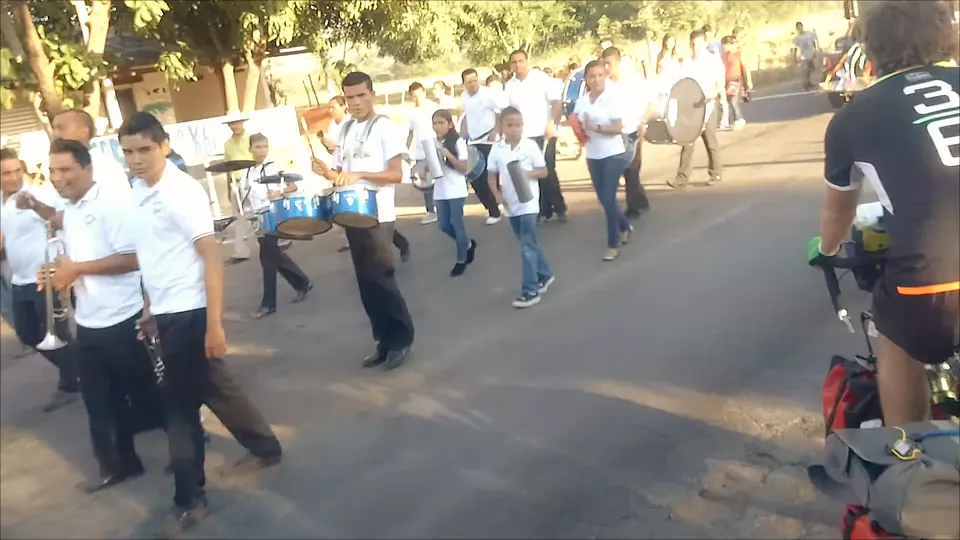
The border into El Salvador was easy, and not only was it easy: just as we crossed, a parade set off towards us, with beauty queens and a marching band. We were not entirely sure why there was a parade. But it headed straight for the border and kicked off the moment we arrived, and we have chosen to believe it was for us.
They heard we were coming!
Day 64 · Acajutla, El Salvador
For science
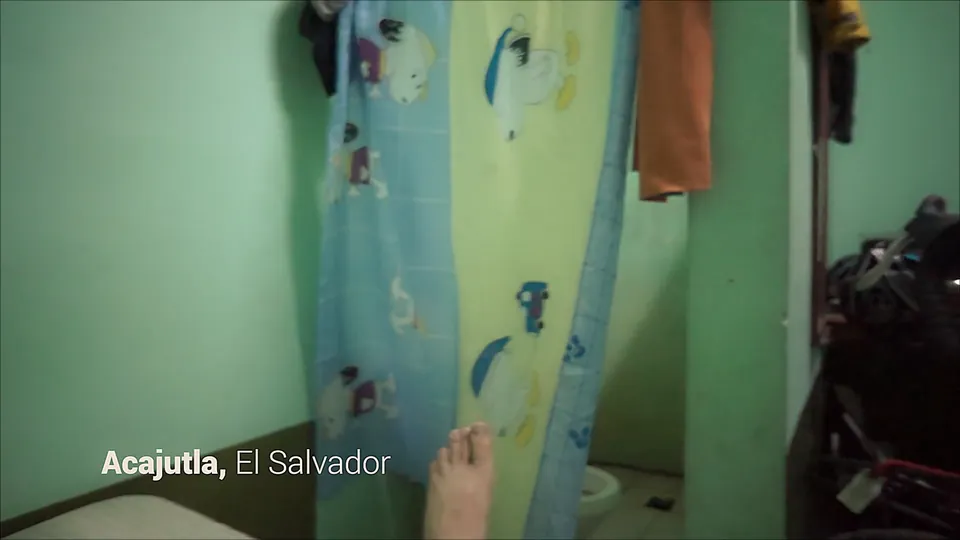
A knock-off Snoopy curtain, and a quarter stick of dynamite.
Day 64: a room with the bikes inside for safety, a combined shower and toilet, and a curtain featuring what we believe to be a knock-off Snoopy. Our whole ride across the United States, years earlier, had taken about sixty-four days. Here we were, still in Central America. To mark the occasion we bought a quarter stick of dynamite (twenty-five cents, if you’re interested), filled a can with written secrets, and blew them into oblivion. For science.
Some people wrote secrets and put them in, and [they] will be exploded into oblivion.
Day 69 · Choluteca, Honduras
Honduras, mostly from the back of a pickup
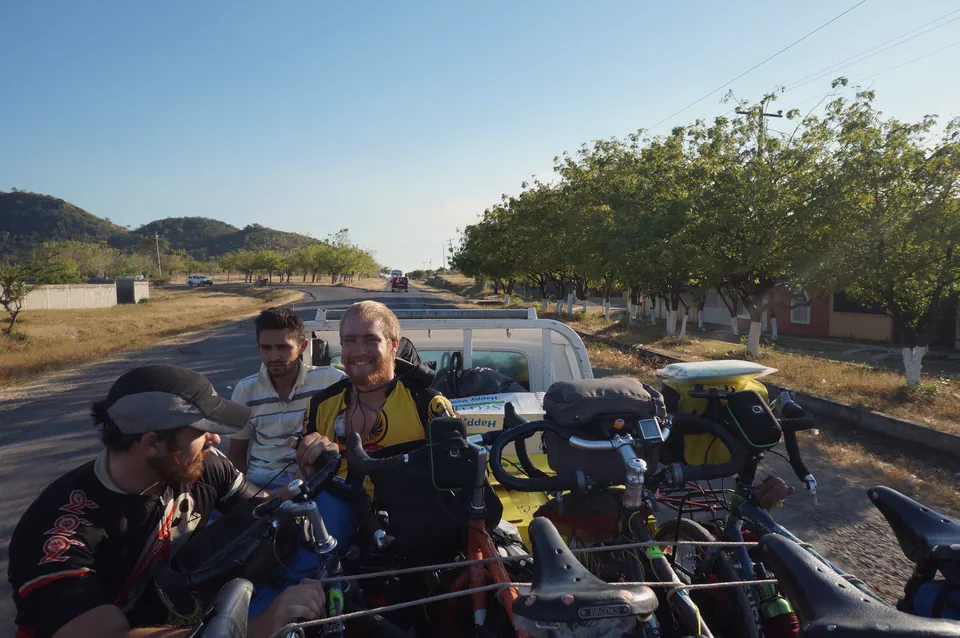
The Pacific end of Honduras is short. We saw some of it from a truck.
The Pacific coast of Honduras is only about a hundred miles across, and a good chunk of it we saw from the back of a pickup, wedged in among the bikes and the panniers. Before we left, Andy had warned anyone thinking of joining us that seventy-five per cent of a trip like this is miserable, and that those are the bits you’ll remember most fondly. His example was diarrhoea, in the middle of nowhere, “in like Honduras.” Honduras, to be fair to it, was fine.
Seventy-five percent of the trip is gonna be pretty miserable. And those are probably gonna be the best stories later.
Days 70–75 · Granada, Nicaragua
Everyone is in love with Carmen
A week of parties in Granada. Leaving was hard.
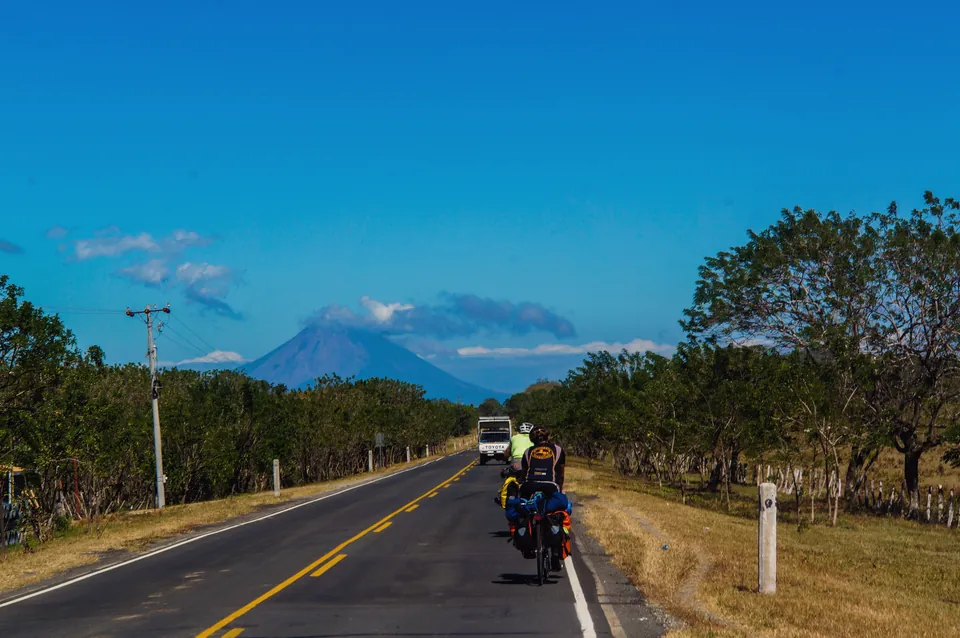
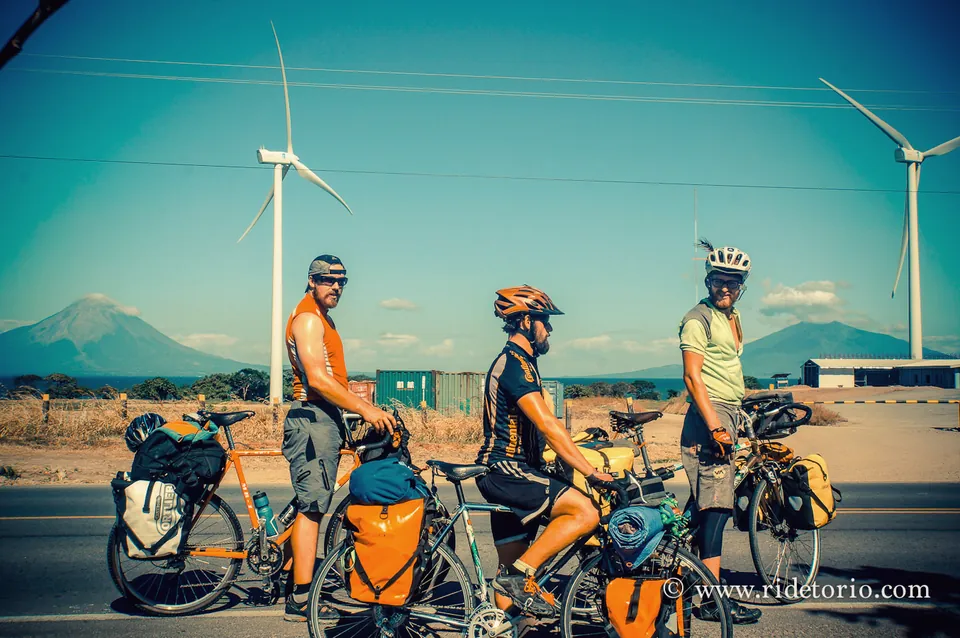
We spent about a week in Granada, at a hostel called Entre Amigos, with a gang of new friends: Guillermo, Gisseppi, Mike and Carmen, with whom everybody was immediately and hopelessly in love. Leaving took a long time. The road out was only slightly uphill, but after a week of parties it felt like the Andes, and conversation consisted mainly of complaining. Then the twin volcanoes of Ometepe rose out of the lake ahead of us, and everyone cheered up.
It seems that everyone is in love with Carmen.
Day 75 · Rivas, Nicaragua
Josh’s birthday
Dom vanished. Carmen reappeared. The band announced the birthday twenty times.
On the way to Rivas, Dom suddenly disappeared up the road and we panicked, picturing him in a ditch. He was, it turned out, drafting a farm truck at speed, while the farmhands in the back shared their, er, cigarettes. We were so jealous. That night was Josh’s birthday. Carmen and Guillermo drove two hours out of their way to surprise us: an underwhelming pizza, two bottles of rum, a merry-go-round in the square, a Korean drinking game called the Game of Death, a box of cigars for Josh, and a band who, once told it was his birthday, announced it about twenty times.
We rode the merry go round like kids in this small town. We turned everyone’s heads!
Day 76 · San Juan del Sur, Nicaragua
Ukulele, guitar, beach
Our new friends drove us to the beach. We did not object.
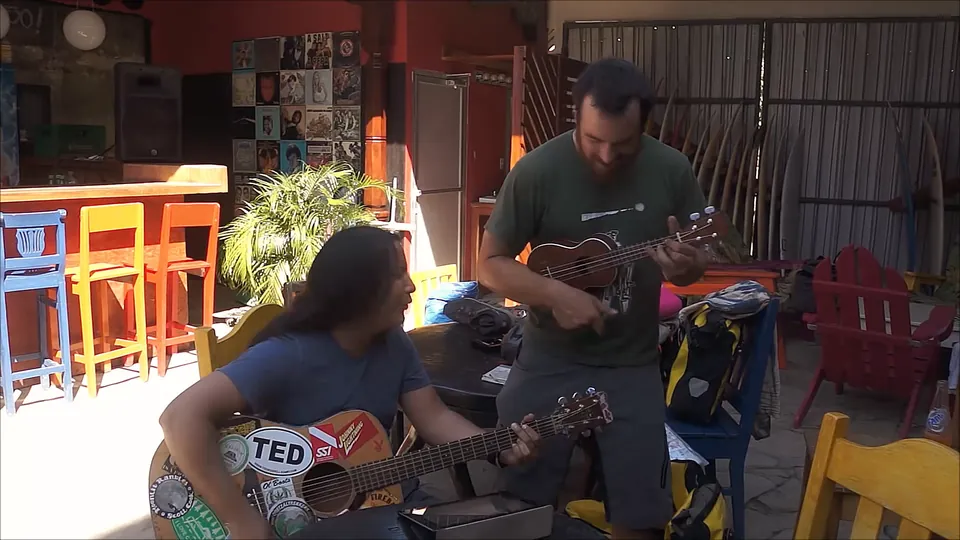
The next morning, with moderate hangovers all round, Carmen and Guillermo offered to drive us and our bikes to the beach at San Juan del Sur, because they wanted to go to the beach, and who were we to argue. We spent the day on the sand. Before they left, Guillermo and Andy played a few songs together on guitar and ukulele at the Pachamama hostel.
Guillermo and Andy rocked out several songs with a ukulele and guitar combo. What an amazing day!
Day 80 · The Pacific coast of Costa Rica
Surfing in Santa hats
Costa Rica: hostels, waves, volcanoes, and Christmas coming.
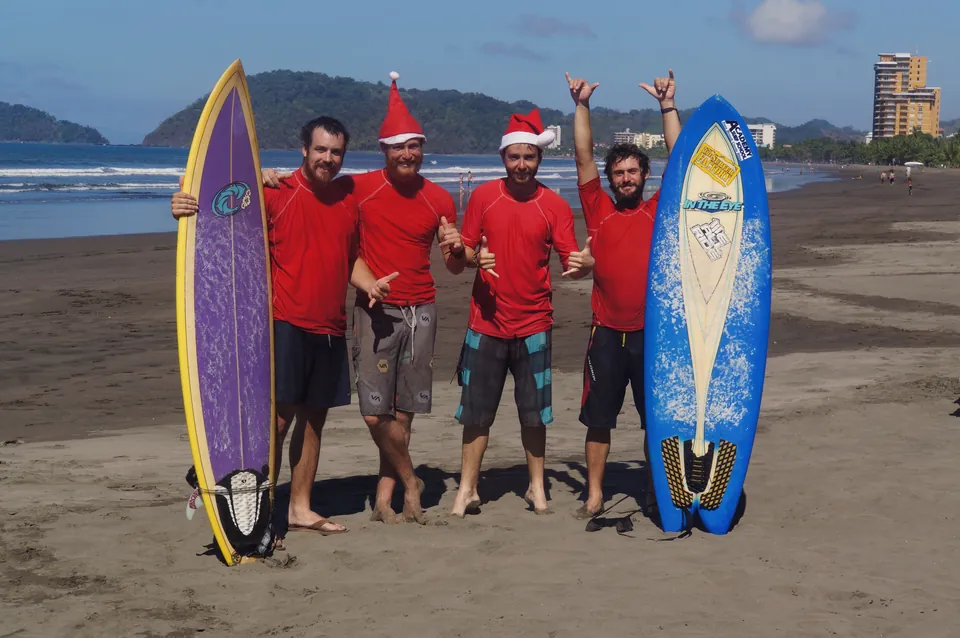
Costa Rica went by in a happy blur of hostels, surf and volcanoes, a new place every night. With Christmas coming, some of us surfed in Santa hats. A new country every few days, a new cuisine, new friends: in hindsight, this was the easy bit.
Surfing, volcanoes, each day a new place, a new country, a new cuisine.
Day 85 · Panama City
A Christmas miracle
We were sick of each other. Then a Scotsman walked into the hostel.
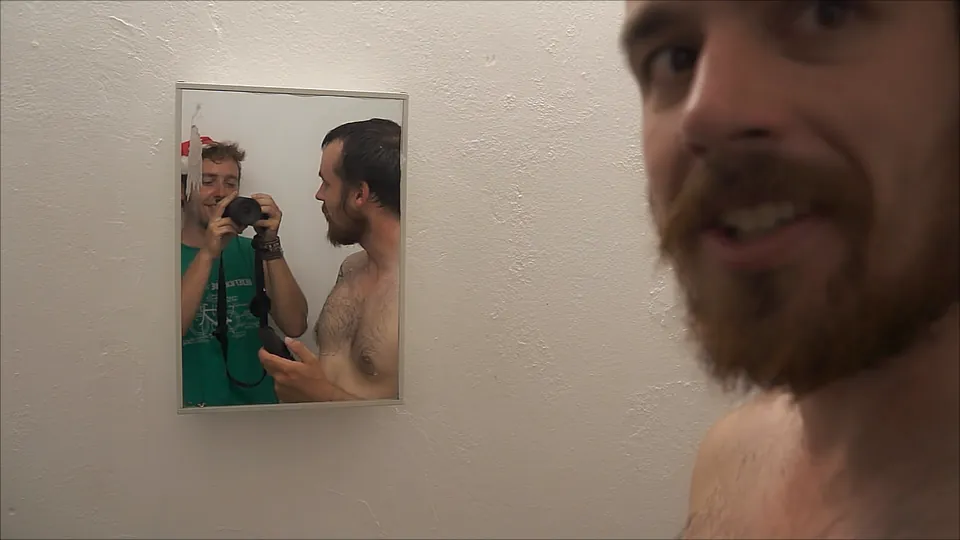
By Panama City we’d been living in each other’s pockets for three months and it showed. The Ice Cream Incident (see Mexico) was still being brought up. There was singing that was not appreciated. Miguel cooked Christmas dinner, somebody grew a Christmas moustache, and we honestly don’t know whether we’d have carried on together without what happened next. On Christmas Eve, Mark Boyd, a former Royal Marine commando turned scuba instructor turned guitar-playing Scottish wanderer, met four random dudes on bicycles in the hostel and announced he’d like to come too. We told him we’d be in Cartagena for New Year’s Eve. We figured we’d never see him again.
Don’t sing to me, that’s really weird.
Day 89 · Panama City to Cartagena
Over the Darién Gap
There’s no road from Panama to Colombia. So: cardboard boxes.
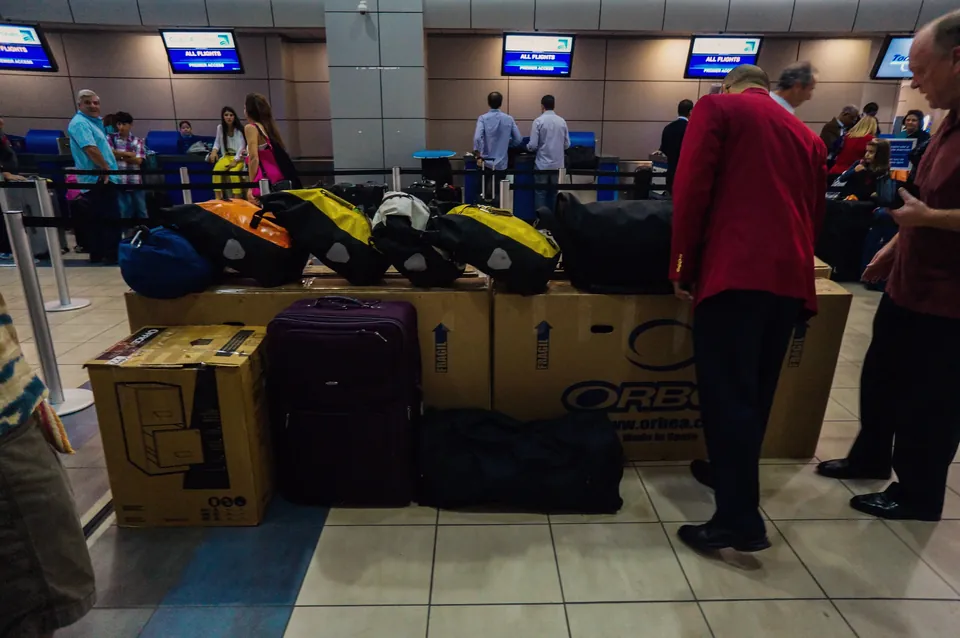
There is no road between Panama and Colombia, just the Darién Gap: about sixty miles of jungle, swamp and people you don’t want to meet. Nobody sensible cycles it. So we did the single least adventurous thing of the entire trip: took the bikes apart, packed them in cardboard boxes, stacked the panniers on top at the airline desk, and flew over it.
Day 92 · Cartagena, Colombia
One Scotsman, one bike, one golden suit
He actually showed up. Then he needed a bicycle.
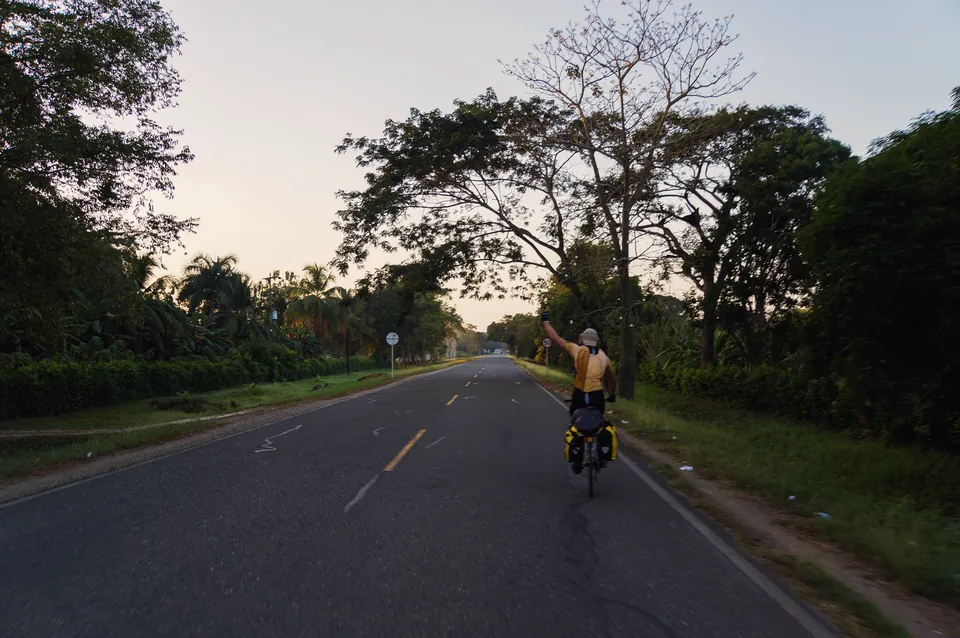
We were wrong. A week later, in Cartagena, Boydy actually bothered to come and find us. We hugged like old friends, saw in the New Year together, and he told us he was coming with us, boys. He just needed a bicycle. We searched the city for two days and found nothing but cheap beach cruisers that would have made the next three months miserable. At the end of the second day, in a very fancy part of town, we found an upscale bike shop with exactly one bike that fitted him. He bought it (the most expensive thing he had ever bought in his life; he named her Matilda), and a golden cycling suit to go with it, and hit the road with his backpack of stuff. That’s just the kind of guy he is. He breathed new life into the whole journey.
At the end of the video we made that week, he signs off with “fist bumpin’ all the way.” All of us still say it, constantly, whenever anything is going well.
But, accepted me with open arms and we’ve shared a lot of laughs already.
Day 97 · San Onofre, Sucre
Sunrise over the banana plantation
Boydy’s second day on a bike. Up at half five to ride a hundred kilometres.
Boydy had never ridden a hundred kilometres in his life. On his second day he got up at half past five, still half asleep, looked over, and saw the sun coming up over a banana plantation in Colombia. That, he says, was when he knew he was doing the right thing.
The sun was rising over a banana plantation in Colombia. That was day number two. And that’s really when I decided that I was doing the right thing.
Day 100 · The climb to Medellín
Free sandwiches
In a car nobody looks at you twice. On a bicycle, everybody does.
Colombia was the friendliest place we’d been. People drove past and handed cans of iced tea out of their windows, or reached out for a high five without slowing down. One day a crowd gathered to watch us ride by, applauded, and gave us free coffee and free sandwiches. We also found a strange fruit hanging from a tree, cut it open, and one of us licked it to see if it tasted the way it smelled, which was like de-icer. It only vaguely did.
Or just give you a high five as we’re driving past and we wouldn’t even stop, but we would have a moment.
Day 102 · Medellín
Five of us now
Bikes over our heads at a fountain, for no reason at all.
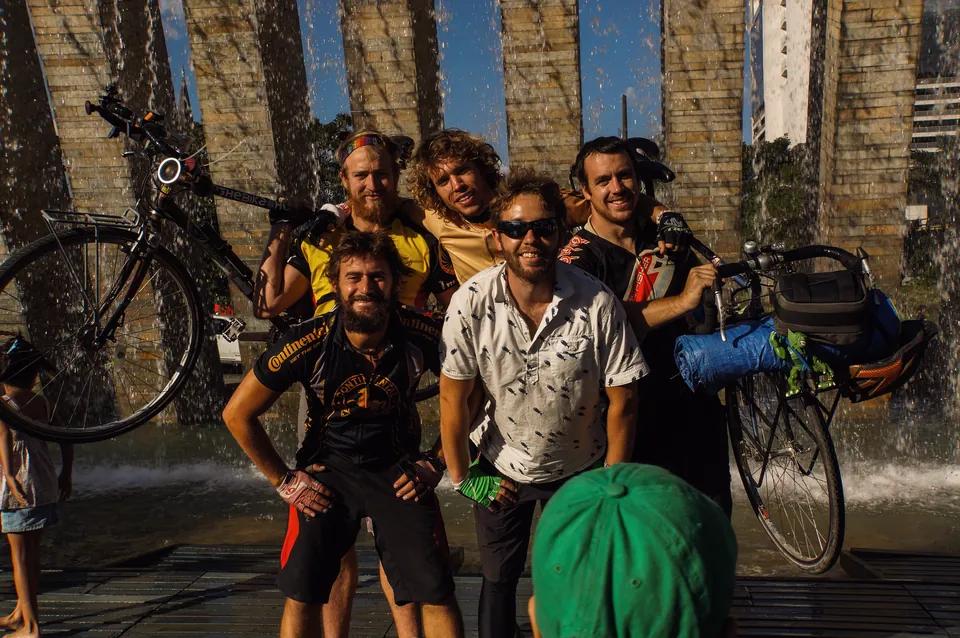
Five changes the maths of everything: who sleeps where, who cooks, who gets the last of the hot sauce (this was, at times, contentious). In Medellín we held our bikes over our heads beside a big stone fountain, because we were young, and could.
Day 104 · Manizales, we think
The party at the top of the cable car
A town you reach by cable car, a party bus, and Andy running after it in flip-flops.
We took a cable car up a mountain to the centre of a town we’d never planned to visit (we think it was Manizales; nobody wrote it down), and found it in the middle of an enormous party. There were party buses. We jumped on the back of one without tickets, and the people on board hauled Dom, Josh and Miguel up to join the party just as it pulled away. Andy, left behind in flip-flops, sprinted after it like the T-1000: flat out, arms pumping, more focused than any of us had ever seen him. Sadly, he could not keep up with highway speeds. Later we climbed up onto the roof of a bus-type thing, found some chairs up there and settled in with a bottle of aguardiente. It turned out the roof was the stage and the chairs belonged to the band, who kicked us off. We danced for them while they played anyway. This is also where Miguel developed the habit of swapping shirts with absolutely anybody whenever he’d had a drink, which led to some fairly entertaining evenings and, later, one very bad one.
Every time he goes drinking he gets this idea in his head that he needs to trade shirts with anyone and everyone in his sight.
Day 113 · The Colombia–Ecuador border
The best 29-year-old ever
Andy’s birthday. Giant burgers. Then the stomach bug.
Three weeks in Colombia, the longest we spent anywhere apart from Mexico, ended at the Ecuadorian border, ten thousand feet up, on Andy’s birthday. We made enormous burgers, gave him a mystery present with his eyes shut and asked whether he felt any wiser. He said he felt less wise. The next morning he was whiter than the wall and very, very sick, and we all laughed it off as a hangover. Then Boydy and Dom came down with the same stomach bug, and nobody was laughing. It was brutal.
I’m gonna be the best 29 year old ever.
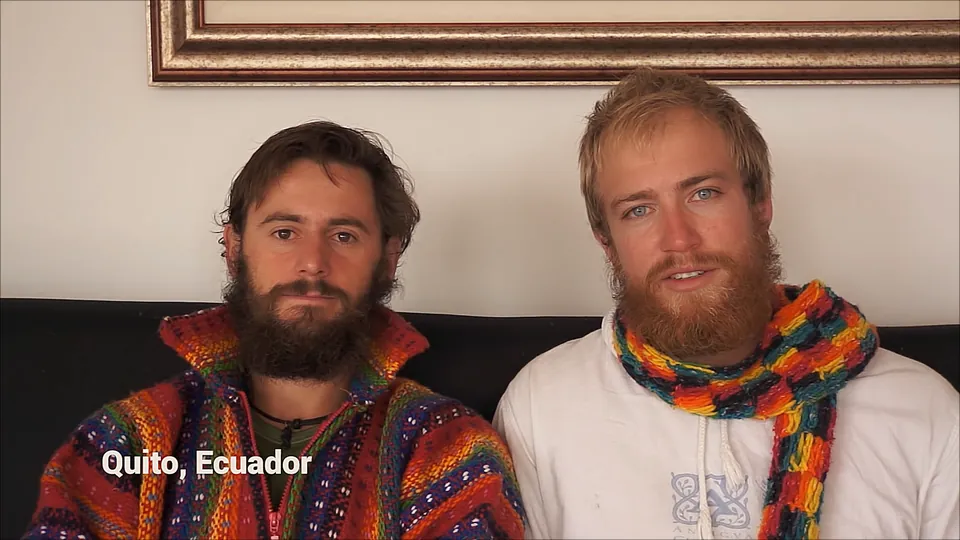
Day 119 · Quito and the equator
Hi, class
Boydy explains the equator. The French come off badly.
Day 119, and we made it to the middle of the world. At the equator monument outside Quito, Boydy delivered an astronomy lesson to camera, covering the northern and southern hemispheres, Orion’s belt, and the location of the real equator, which is not where the monument is, because, he explained, the French were stupid. (The monument is a couple of hundred metres off. The French surveyors who first worked it out were, in fairness, doing it in 1736.)
Because the French are stupid. The equator’s really over there.
Day 123 · Máncora, Peru
Is this a life lesson?
Miguel swaps shirts with the wrong person.
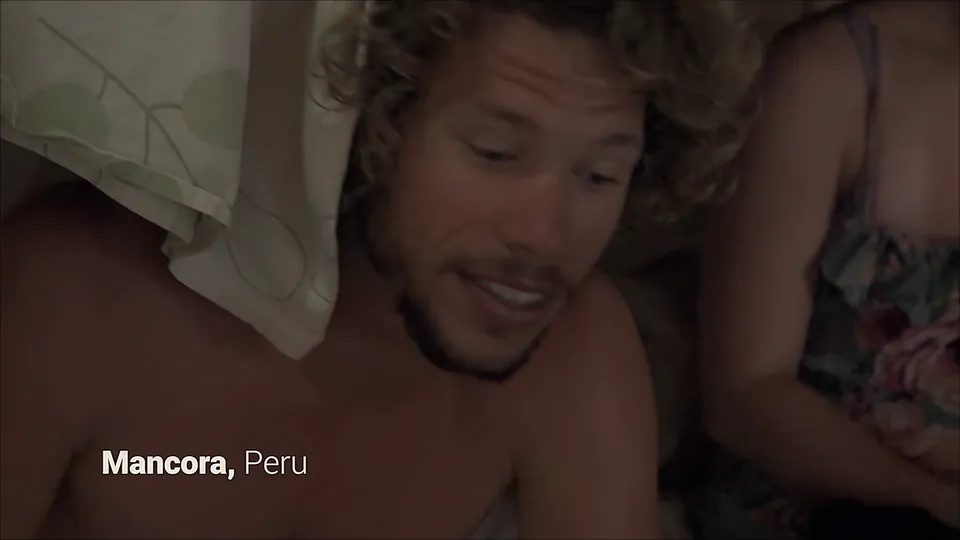
So it was that we rolled into a little Peruvian surf town called Máncora, where Miguel, dancing with a beautiful girl, as Miguel does, swapped shirts with someone at the bar. A large local man decided this was a decoy for a camera theft (Miguel was wearing lycra trousers with no pockets, which you’d think would settle it), dragged him outside, then on to the police station, where things got worse before they got better. Miguel was fine. Bruised, shirtless, fine. Asked whether he had learned a life lesson, he gave it some thought.
“Is this a life lesson?” “I don’t think it is a life lesson.”
Day 127 · Huaraz, Cordillera Blanca
Radio Rio, live from 5,000 metres
Coca leaves, coca tea, coca sweets, and a broadcast from a glacier.
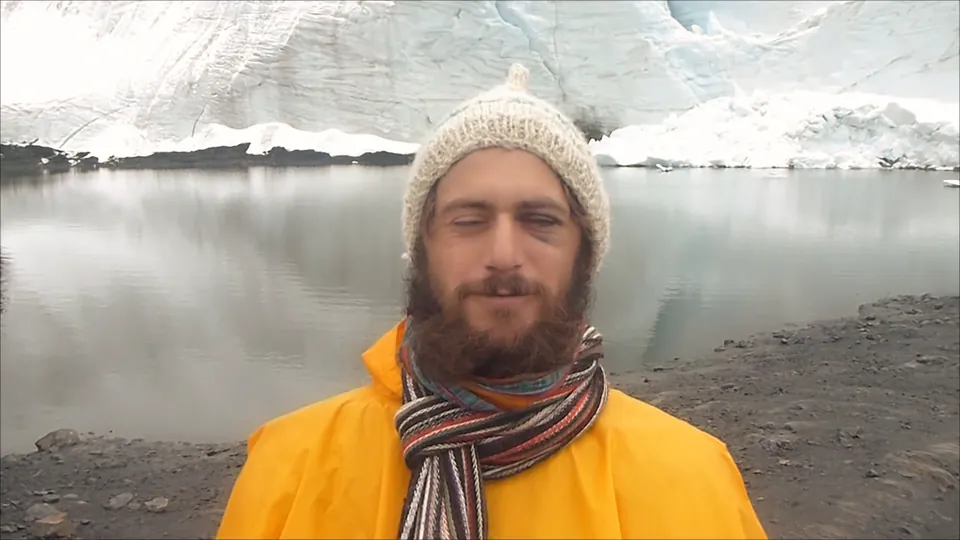
Up in the Cordillera Blanca, beside a glacier at five thousand metres, we recorded a special edition of Radio Rio. We’d chewed coca leaves, drunk coca tea and eaten coca sweets for the altitude, so we were either very high or very light-headed. We were dressed in a Peruvian poncho, a Colombian scarf, a Guatemalan headband and a Peruvian hat, plus one black eye (see Máncora). Someone had bought a complete set of knock-off North Face gear in the market for twenty dollars. It did not keep anyone dry. We had seen a lot of sheep, but, disappointingly, no llamas.
So either we’re really high or we’re lightheaded.
Day 129 · Near Conococha, about 14,000 ft
Manly men who enjoy pain
Cold, wet, fourteen thousand feet, and the only town for miles was a mining camp.
Four days of climbing into the Andes, in the rain, gasping at fourteen thousand feet with the peaks still towering over us. We were eighty kilometres from the last town with seventy to go, and we could have taken a ninety-five dollar bus. One of us very nearly gave up and started walking. Then a small mining village appeared around a corner, and we spent the night in a stone truckers’ shelter under three layers of thick, itchy blankets. Two of us got altitude sickness. In the morning Boydy woke Josh up and told him he needed to get off this mountain.
I don’t know why we just didn’t take a 95 dollar bus.
Day 130 · Highway 16, Conococha to Paramonga
The longest downhill on Earth
72 miles, 13,388 feet down, and nobody pedalled for two and a half hours.
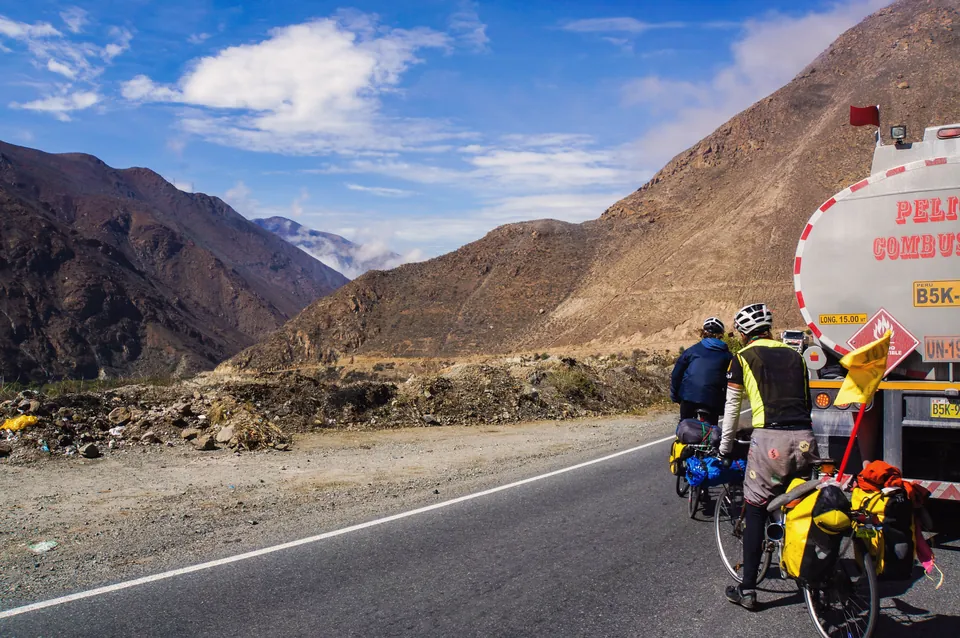
The only cure for altitude sickness is to get low, fast. So we turned south-west onto Peru’s Highway 16 and accidentally discovered the longest uninterrupted downhill on Earth: 72 miles, dropping 13,388 feet from Conococha to Paramonga. Nobody pressed a pedal for two and a half hours. Snow and rock gave way to scrub, then lush green valleys, then banana plantations and the heat of the coastal desert. We hit 73 km/h, overtook lorries braking on the bends, outran a few territorial dogs and fist-pumped all the way down. It was almost enough to make us wonder how much easier the whole trip would have been on motorcycles. Almost.
I remember thinking it was worth it, you know, like all the mistakes that I made got me here.
Days 137–141 · Cusco to Machu Picchu, by Toyota
Let no man disparage the 2011 Toyota
Two rented Yarises, three Australians and one missing road.
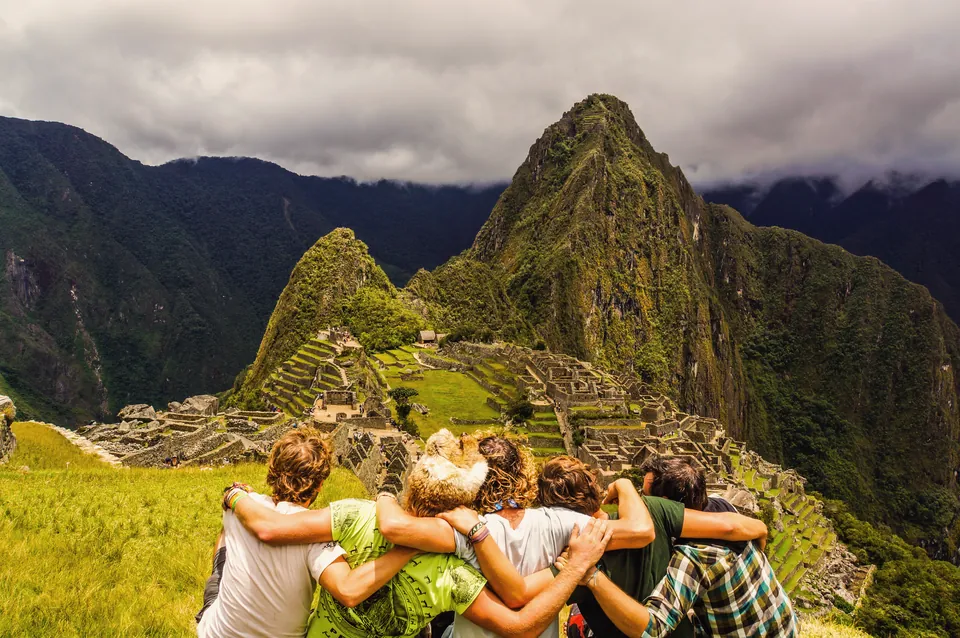
Machu Picchu wasn’t on our route, the Inca Trail was closed for the rainy season, and the train cost hundreds of dollars each. So, obviously, we teamed up with three Australian women we’d met in a small town and rented Toyota Yarises to drive there. Nobody had heard of anyone doing this. A three-day trip became seven. We drove along cliff edges and over bridges made of planks. Then a mudslide took out the road home, and we had to find a way round: through rivers, mud, waterfalls and literal rock slides, on a twenty-hour drive through the back roads of Peru. The rental insurance, we learned, only covered total destruction, which seemed foolish on their part. Those cars did everything we asked of them.
And let no man disparage the 2011 Toyota. In my presence.
Day 145 · Puno, Lake Titicaca
The foam war
Everyone was spraying everyone with foam. We joined in. Then someone explained.
In Puno, on the shore of Lake Titicaca, we walked into a festival where everybody carried cans of coloured foam and sprayed each other, and us, constantly. So we bought our own and declared war on the entire town: children, grandmothers, everybody. Only later did somebody explain that during this particular festival, the boys spray the girls they fancy and the girls spray the boys they fancy. We had sprayed everyone. We had, in effect, declared our feelings for the whole of Puno.
Back in the game, boys. Back in the game.
Day 146 · The Bolivian border
Your twenties are bad
Bolivia didn’t want our money. It wanted different money.
The most hassle we ever had at a border. The officials refused about two hundred and sixty dollars’ worth of our twenty-dollar bills because some had tiny rips in them (they weren’t even ripped). There was, conveniently, a cash machine nearby, which let you take out a maximum of 140, and the crossing cost 135. When they gave us our change in bolivianos, we checked every note and handed back the slightly torn ones. It felt like a small victory.
They won’t sell ’em to us ’cause they say our twenties are bad.
Day 147 · Lake Titicaca, Bolivia
A high point
Sunshine, the giant lake, the open road, and, briefly, contentment.
There was something about Bolivia: the sunshine, the giant lake, the empty road. It was a high point for Andy, possibly helped by a large bag of something that needed finishing before the border. Whatever the reason, he was content. A villager, hearing we were from the United States, asked whether they speak Spanish there too, which Andy found humbling. He had found what he was looking for when he left Los Angeles.
Dom, meanwhile, sat down to enjoy the view and landed in a fresh dog poo. We were in the middle of nowhere. There was no reason for a dog poo to be out there, and even less reason for Dom to pick that exact spot.
I was one with the journey and perfectly in the moment.
Day 151 · Salar de Uyuni, by night bus from Cochabamba
Where the sky and the earth meet
A last-minute detour: a night bus there, a day on the salt, a night bus back.
The salt flats were not on the agenda. We decided to go the night before, Ride-to-Rio style: left the bikes in Cochabamba, took an overnight bus to Uyuni, spent the day on the salt, and took another overnight bus straight back. Worth it. In the rainy season the Salar de Uyuni floods into a mirror ten thousand square kilometres wide and the sky and the ground become the same thing. We climbed on rusting locomotives at the train graveyard, took the obligatory photos where a tiny friend stands on your hand, and stood in a line at sunset, not saying much. One of us dunked his head in the brine and came up crusted in salt. For science.
It was almost like the sky and the earth meet, and that seems really cheesy, but it is absolutely breathtaking.
Day 154 · Corumbá, Brazil
We entered through the exit
The queue was three days long. We found a shorter one.
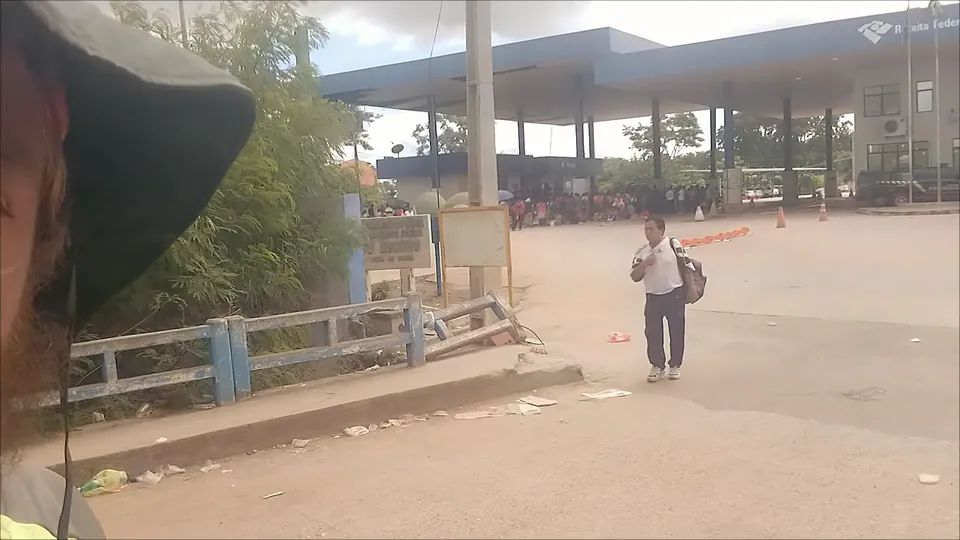
At the Brazilian border the queue was so long that people had been waiting up to three days, and a man helpfully suggested we get a stamp proving we were in the queue and come back in two days. Instead we joined a much shorter queue, for people leaving, went to the exit window, played the gringo card, and got stamped into Brazil on the spot. We needed no proof of onward travel, no yellow fever certificate, and no two days. We had entered through the exit.
We needed no proof of onward travel. We needed no yellow fever certificate. We did not need to wait in line for two days.
Days 155–157 · The Pantanal, Mato Grosso do Sul
Caimans, fireflies, mosquitoes
We chose the wettest, hottest, most mosquito-ridden season. On purpose.
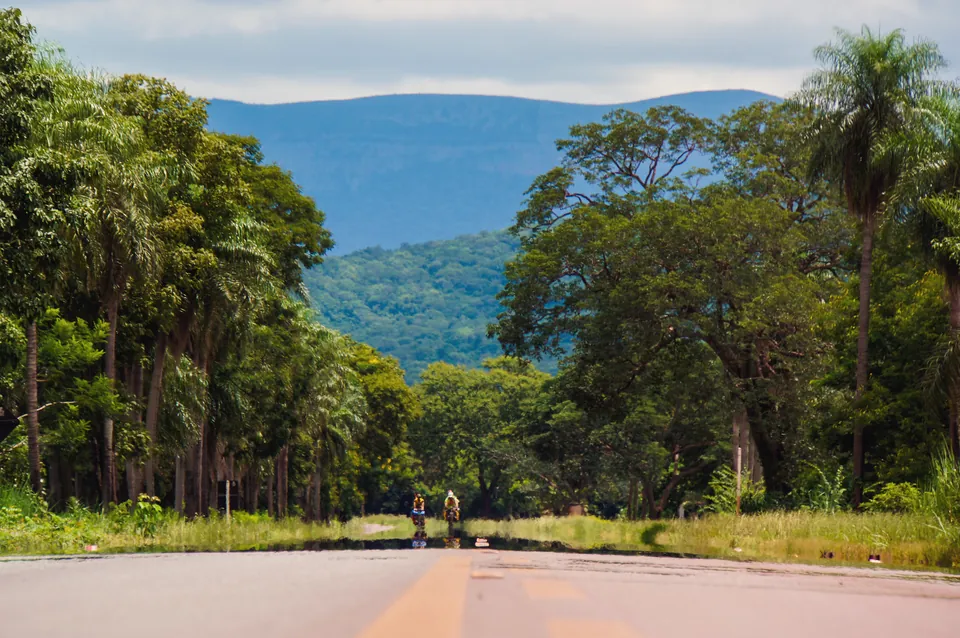
We crossed the Pantanal, the largest tropical wetland in the world, in its wettest, hottest, most mosquito-ridden season, when all the hotels are shut. It has the largest healthy jaguar population on Earth, millions of caimans and big, ostrich-like birds. We rode at night through clouds of fireflies, camped by the road in a nature reserve and woke up in tents completely surrounded by mosquitoes. Life at bicycle pace can be lonely: two hours into a climb with eight to go. But we were in Brazil.
Hungry little b•••••d mosquitoes who want to eat us.
Day 160 · São Paulo
Samba lessons, then the race to Rio
Five months to reach Brazil. Now we had to learn Portuguese.
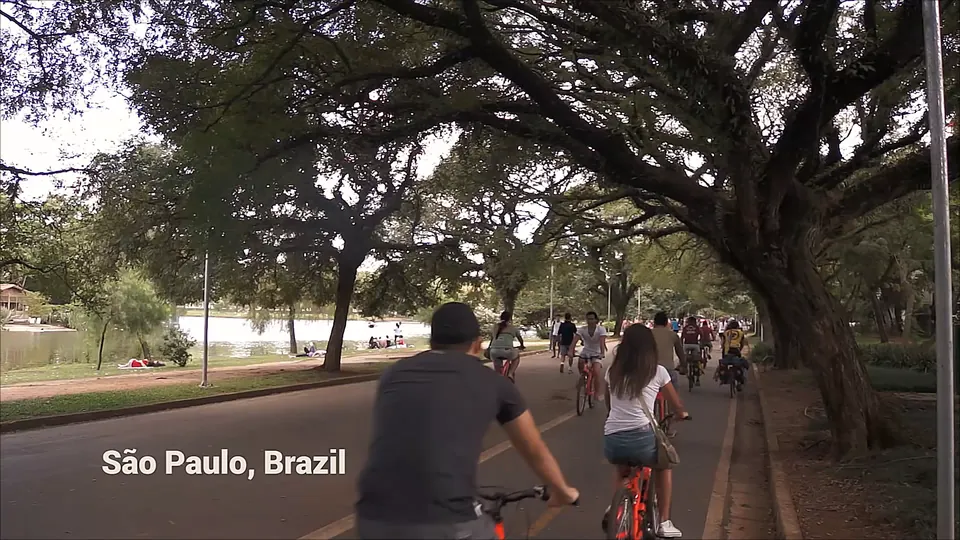
It only took us five months to get to Brazil, and now we needed to learn a new language. In São Paulo we took a couple of nights off and a couple of samba lessons, and then began the race to Rio: seven days left to ride. It’s hard to describe how it feels to have one week left of something you’ve done every single day for half a year. Mostly, we wanted it to be over. Mostly, we didn’t.
It only took us five months, and now we need to learn a new language. WOOHOO!!
Day 162 · The Costa Verde
The last week
Islands, beaches, and the dawning realisation that it was ending.
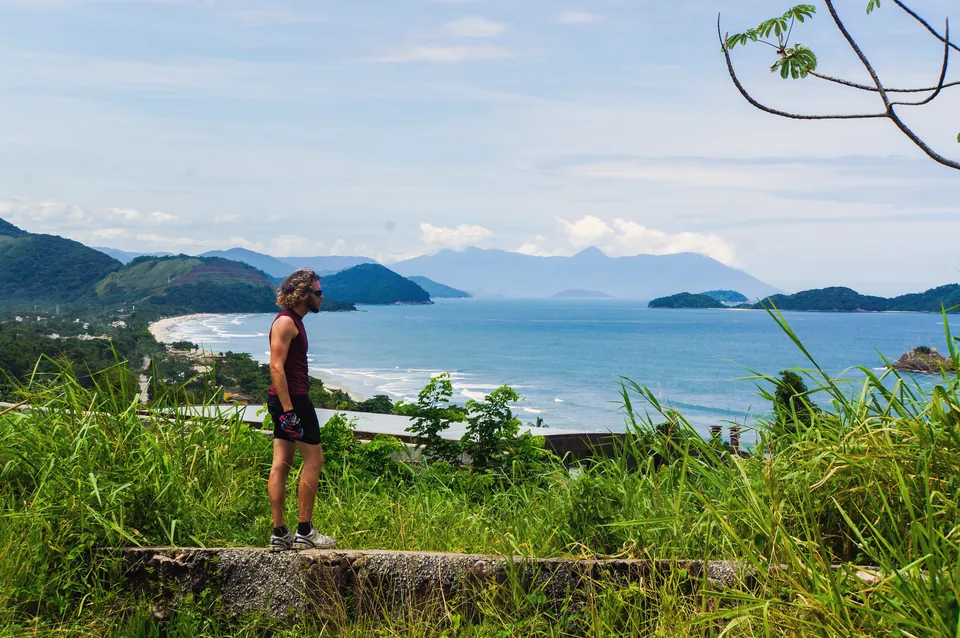
The coast road from São Paulo to Rio is one of the most beautiful roads in the world: green mountains falling into a sea full of islands. We rode it slowly. Every morning for six months we’d known exactly what to do: get up, have breakfast, get on the bike, head south. Now there were only a few mornings left.
Every day the last six months we knew what we were doing. You get up, you have breakfast, you get back on the bike, and you head south.
Day 166 · Rio de Janeiro, Brazil
Life starts now, I guess
Ten thousand miles. We rode onto the sand and ran into the sea.
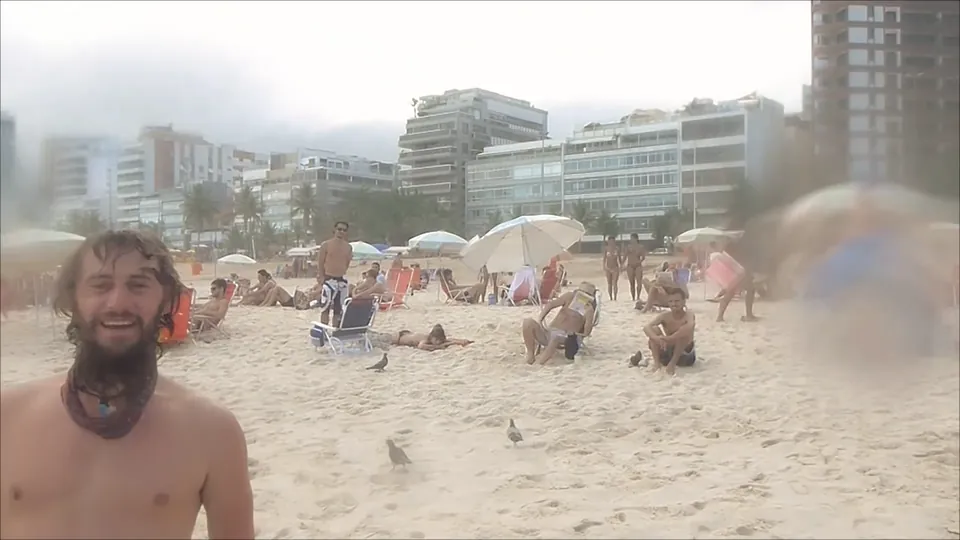
When you spend every day on a bicycle riding towards something, you think about it all the time, and then one morning you wake up and you’re in Rio de Janeiro. On the last day we dressed ridiculously and made a great deal of noise all the way to the beach, where we rode onto the sand and ran into the sea. Five months and fifteen days, thirteen countries, about ten thousand miles. We knew we should be celebrating, but we were all sad it was ending. As much as we were tired of each other, we were going to miss each other. We still do.
We made it. We made it. Life starts now, I guess.
Movie night
Watch the full film
The whole thing: ninety-seven minutes of sunburn, border crossings and men who should know better. It has never been properly released, so it lives here, behind a very small lock.
More, and contact
Ten years later
Brothers
Why is it that every film about cycling across a continent comes with dreamy music and sweeping vistas and is all terribly serious, when riding a bike across a continent is an inherently silly thing to do? Andy’s short from 2020 is the funny, honest version: the bouncy house, the Corona truck, the Christmas miracle, and what it was actually for.
Anytime you embark on a significant thing like this, it’s because you’re either running from something or you’re running to something.
Dom Smith and Andy Robinson, ten years and a lot of sunscreen later: an Emmy-winning multimedia studio in Portsmouth, New Hampshire and Los Angeles. They tell big stories for regular-sized people: documentaries, animation, explainers, and the occasional ill-advised bicycle trip.
We came home from Rio with three thousand hours of footage and no idea where anything was. If only somebody had made DISKO. Somebody has now (it’s us): a media library for filmmakers that finds any shot by what’s on screen, who’s in it and what was said, all on your own Mac. Your footage. Your machine. Your rules.